
Electrophoretic Coating for Drone and UAV Structural Parts: An Application Guide
Short answer: Electrophoretic coating (also written E-coat, ED coating, or electrophoretic deposition) is a waterborne electrodeposition process that deposits an organic resin film onto a conductive metal part. For drone and UAV structural parts, the performance window that matters is a uniform film on intricate magnesium and aluminum alloy geometry, a standard film build of 15–25 µm, and salt spray resistance that reaches 1,000 hours and beyond on cathodic epoxy systems.
UAV airframes are built from thin-walled magnesium and aluminum components, die-cast housings, stamped plates and CNC machined brackets. These are exactly the parts that spraying finishes inconsistently and that a heavy or uneven coating can ruin. Dongguan Yongxin Industrial Co., LTD (Yongxin) is an electrophoretic coating processor based in Qiaotou Town, Dongguan, China, established in 2018, whose processed products are used in drones, security systems, consumer electronics, communication equipment, bicycles and automobiles.
This guide maps e-coat benefits to specific UAV frame and housing requirements, shows how CNC machining, die casting and metal stamping feed into the coating line, and lists the parameters worth specifying before you request samples.
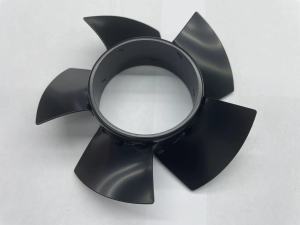
Electrophoretic coating applied to magnesium alloy structural parts — the substrate class used for lightweight UAV frames and arms.
What Makes UAV Structural Parts Difficult to Coat
Drone airframes are weight-driven designs. Magnesium alloy and aluminum alloy are common substrate choices because they combine low density with usable stiffness, and both appear on the list of metals that electrophoretic coating is routinely applied to. The difficulty is rarely the substrate itself — it is the geometry and the service environment.
- Thin walls with long spans. Arms, plates and housings are designed with minimal material. Any finishing step that depends on line-of-sight spraying struggles to reach internal surfaces consistently, and rework on a finished lightweight part is expensive.
- Internal ribs, blind pockets and tight seams. Complex 3D geometry creates dead corners for conventional spray painting. Electrodeposition deposits paint particles across the whole wetted surface, including cavities and internal holes.
- Die-cast housings and stamped structural plates. Die castings present complex bosses and surface conditions that complicate film uniformity; stamped plates introduce cut edges, which are usually where corrosion starts on a finished part.
- Continuous environmental exposure. UAV and security hardware operates under high humidity, salt spray, corrosive and UV-exposed conditions, and the finish has to survive that without fading, blistering or peeling.
That combination — intricate geometry, low allowable mass, and harsh exposure — is what pushes designers from spray methods toward electrodeposition coatings.
Why E-Coat Capacity Is Expanding (Industry Background)
The wider electrophoretic coating market is already large and growing. The global e-coat market was valued at approximately USD 3.5 billion in 2023 and is projected to reach USD 6.1 billion by 2032, according to Dataintelo, with a compound annual growth rate of 6.5% from 2024 to 2032 driven by automotive and construction demand. Asia-Pacific is the largest and fastest-growing region for e-coating, holding over 46% of revenue share in the broader coatings market in 2025, led by China and India (Grand View Research).
Published market-size estimates differ depending on whether a source counts coating chemicals alone or complete coating services, so figures should be read as directional rather than exact.
Within that market, cathodic epoxy coatings dominate, frequently exceeding 1,000 hours of salt spray resistance under ASTM B117, while anodic coatings typically maintain around 500 hours (Market Reports World). That performance gap is one reason a UAV program has to state clearly which chemistry class it is specifying, rather than simply asking for “black e-coat.”
Lightweight hardware for drones and security systems sits at the demanding end of this market. Parts are thin-walled, geometry-dense and often combined into assemblies where a single coating defect can mean a field failure.
How Electrophoretic Coating Meets UAV Frame and Housing Requirements
Uniform finish on intricate magnesium and aluminum alloy parts
Electrophoretic deposition works on Faraday’s principle of electromagnetism: charged paint particles migrate and deposit evenly across the workpiece, so deep cavities, tight seams, internal holes and complex 3D geometries can achieve over 95%–98% coverage. That is the mechanism that removes the dead corners typical of traditional spray painting.
Yongxin’s electrophoretic coating range covers black, white, color, zinc alloy, aluminum alloy and magnesium alloy coatings, and the coatings themselves are built on acrylic resin and epoxy resin. The substrate list for the process also includes carbon steel, alloy steel and zinc alloy, which means mixed-material assemblies can often be coated on the same line.
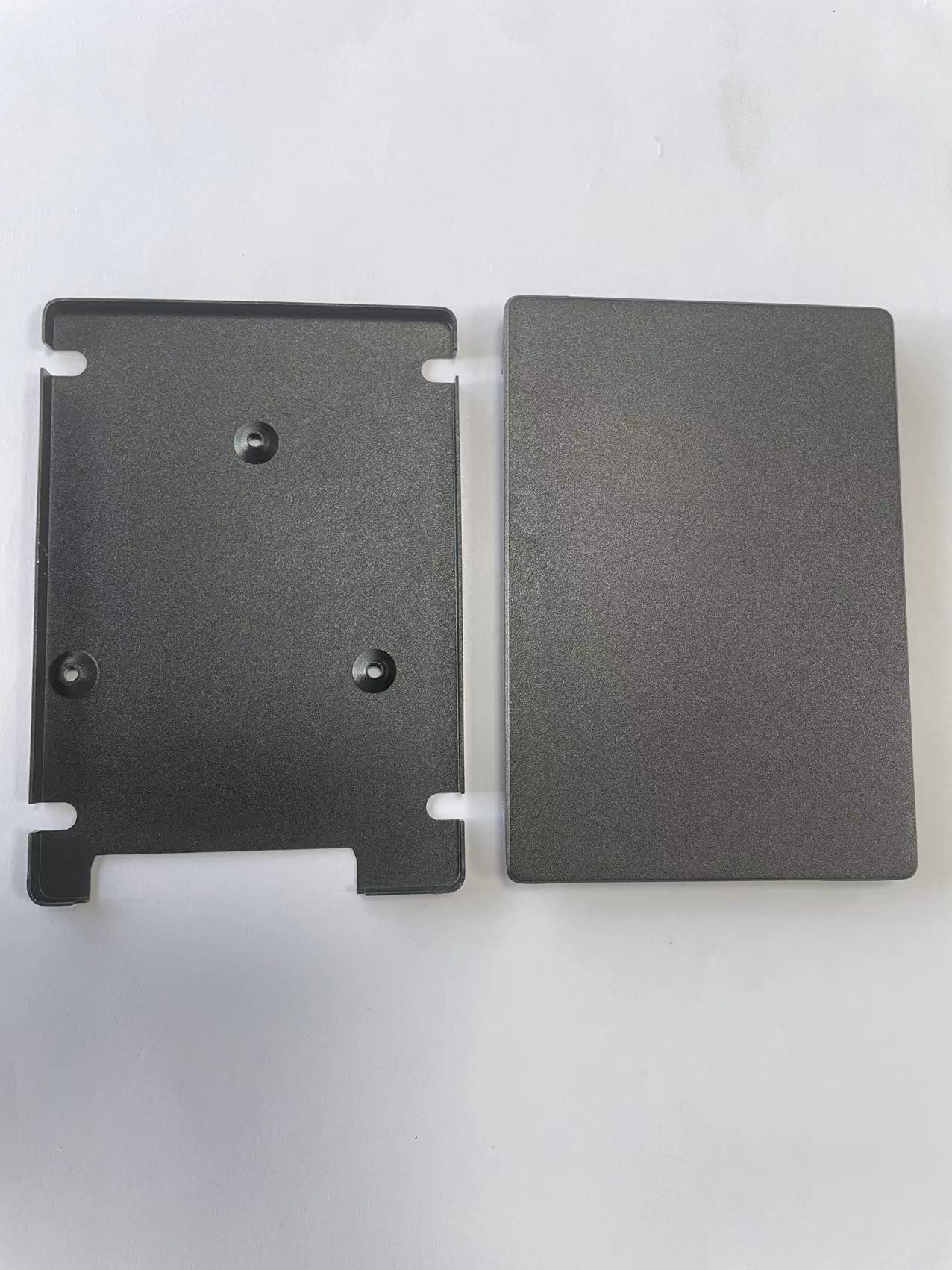
Aluminum alloy electrophoretic coating — thin-walled housings and machined fittings keep a smooth, uniform film without edge build-up.
Corrosion performance: what a 1,000-hour salt spray target actually requires
A 1,000-hour neutral salt spray result is achievable, but it is a chemistry and process decision, not a coating color. In the market, cathodic epoxy systems are the class that frequently exceeds 1,000 hours under ASTM B117, while anodic systems typically hold around 500 hours. Yongxin’s product range includes both anionic and cationic electrophoretic coatings, and the high salt spray electrophoresis line, an anion-type coating made from acrylic resin and epoxy resin, is specified at 300–1,000 hours of salt spray resistance depending on grade and part.
Automotive-grade e-coat specifications used in the same production environment describe neutral salt spray results of 500–1,500 hours without red rust, with CASS testing exceeding 96 hours. The practical lesson for UAV buyers is to specify the test method, the hours, and the failure criterion (red rust versus blistering) at the same time — a salt spray claim without those three elements cannot be compared against another supplier’s claim.
A weight-neutral film build of 15–25 µm
Standard coating thickness for these coatings is 15–25 µm, customizable according to customer requirements. On automated e-coat lines, thickness tolerance on standard parts is typically kept within ±1 µm, with thickness variation controlled within ±5%.
For a drone frame or housing, that matters for two reasons. First, the film is measured in micrometers, so it does not change the mass budget or the balance of a rotating or flying component in a meaningful way. Second, a controlled film keeps mating surfaces, fastener seats and assembly tolerances inside the design envelope, so parts do not need re-machining after coating.
Waterborne, low-VOC chemistry for indoor and outdoor duty
E-coat uses water-based paints free of heavy metals — lead-free and chrome-free systems — with extremely low VOC emissions, complying with environmental standards such as RoHS. In the metal surface treatment scenario, compliance with ISO 14001 environmental protection standards is a stated requirement, and e-coat is a process that supports that without adding solvent-handling infrastructure.
Service temperature range for the film is stated as −40 °C to over 85 °C, which covers outdoor security installations and UAV operation across climate zones. A UV-resistant electrophoretic coating grade is also part of the range for parts that see direct sunlight.
Color and appearance options
Black (matte or glossy) is the most common specification, with white, grey, silver and other custom colors available on request. The desired surface result is a smooth, uniform finish free from flow marks or blisters — relevant when the housing is a visible part of the product, not just a protected one.
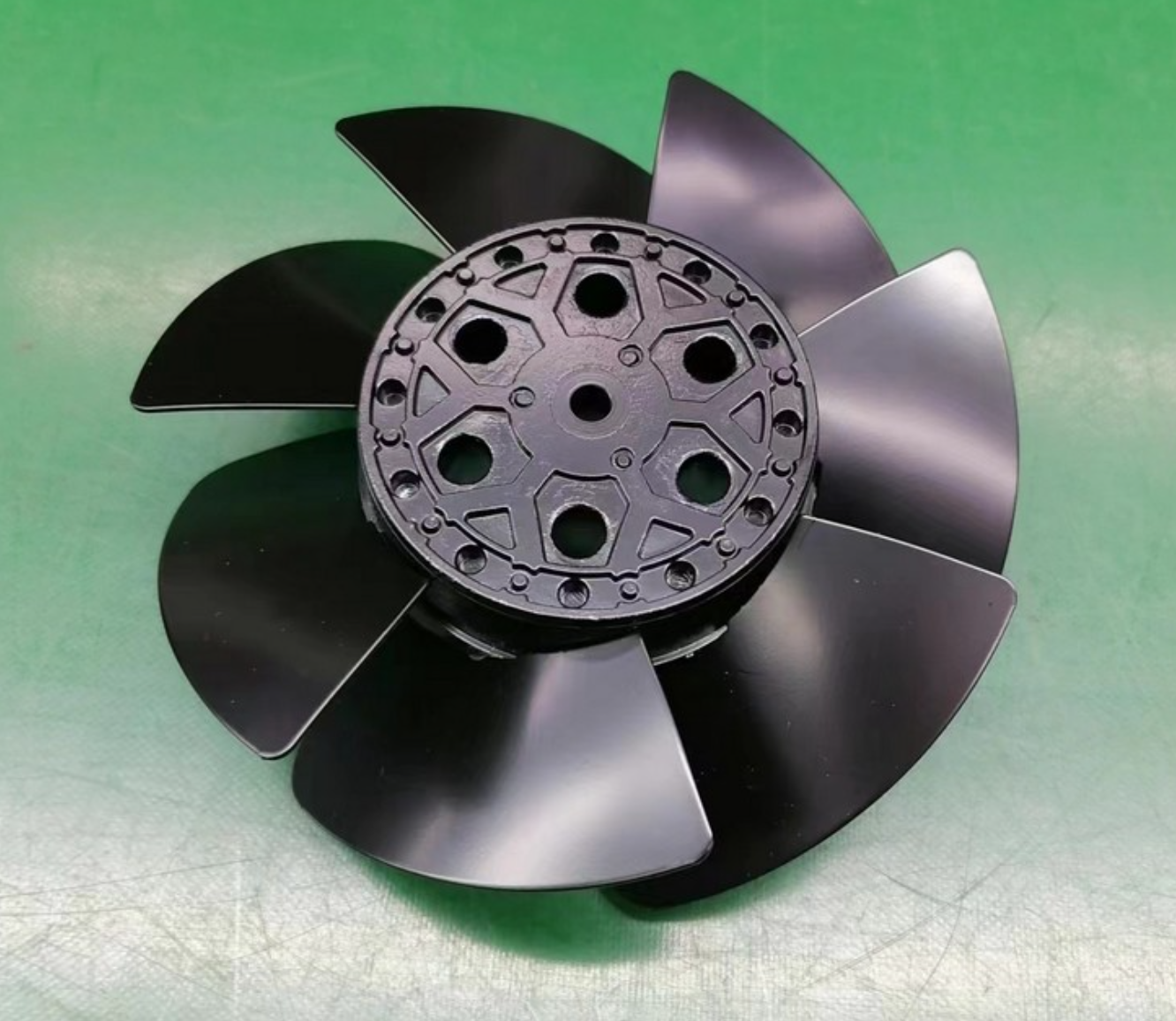
Corrosion-resistant electrophoretic coating for parts exposed to humidity, salt spray and corrosive atmospheres.
From Raw Part to Coated Component: Step-by-Step Breakdown
The reason UAV programs increasingly look for a supplier that controls both metal forming and coating is that geometry and surface condition upstream decide the coating result downstream. In Yongxin’s case the chain runs as follows.
- Define the part class and substrate. Magnesium alloy frame members, aluminum alloy housings, zinc alloy fittings, die-cast enclosures, stamped structural plates and CNC machined brackets each behave differently in pretreatment and film build. The part list should be fixed before sampling.
- Metal forming. Yongxin operates more than 20 CNC machines, more than 10 die-casting machines and more than 10 metal stamping machines, which supports die-cast parts, CNC machined parts and metal stamping parts in the same supply chain. Forming and coating under one roof removes the tolerance arguments that appear when machining and coating are split between vendors.
- Surface preparation. More than 20 general processing units — including sand blasters, polishers, shot blasting machines and laser equipment — prepare the substrate so the deposited film can bond properly.
- Electrodeposition. The company runs 6 professional electrophoresis production lines. Charged paint particles deposit evenly across the workpiece under controlled voltage, which is how internal holes and complex 3D geometry reach the 95%–98% coverage band described earlier.
- Curing and cooling. The deposited film is cured so the coating bonds firmly to the substrate and resists peeling or blistering during assembly, transport and operation.
- Inspection and release. A complete quality inspection system with more than 20 high-precision testing instruments supports release decisions, including a German FISCHER film thickness gauge, a Swiss Zehntner gloss meter, a Japanese Konica Minolta spectrophotometer and a Japanese Mitutoyo roughness meter, plus a salt spray tester, constant temperature and humidity tester, reflectometer, electron microscope, tape abrasion tester, alcohol rubber friction tester and tank solution analysis equipment.
- Documentation and packaging. Quality management is registered to ISO 9001 and ISO 14001, with IATF 16949 for automotive quality management; the company was awarded National High-Tech Enterprise status in 2023 and holds multiple national utility model patents. Parts are packed for shipment through a dedicated packaging room and workshop.
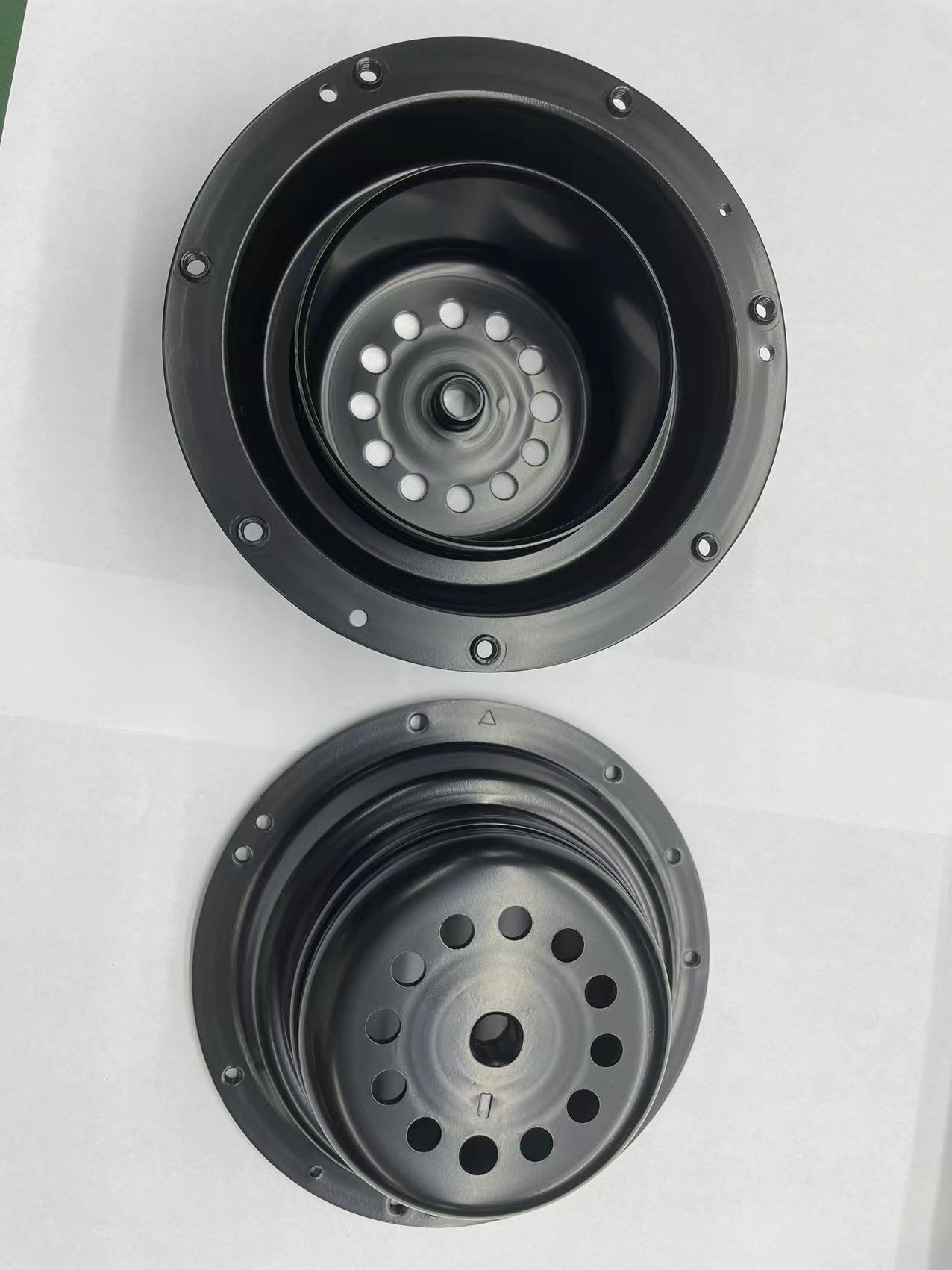
Electrophoretic deposition on the production line — charged particles deposit evenly across complex 3D geometry.
Where E-Coat Fits in UAV and Security Hardware
The same set of coating properties applies across several part families. The table below maps typical UAV and security system parts to the coating consideration that drives the decision.
| Part class | Typical substrate | Why e-coat fits |
|---|---|---|
| Airframe arms, plates, small structural components | Magnesium alloy, aluminum alloy | Uniform and fine film on lightweight structural geometry; 15–25 µm build keeps mass and fit unchanged |
| Housings and enclosures | Aluminum alloy, zinc alloy | Coverage of internal ribs and blind pockets; color and gloss control for visible surfaces |
| Die-cast enclosures and brackets | Die-cast parts | Over 95%–98% coverage across porous, complex 3D cast geometry |
| Stamped structural plates and brackets | Stamped parts | Epoxy-based film covers cut edges where corrosion usually begins |
| CNC machined fittings and interface parts | Aluminum, steel, zinc alloy | CNC plus electrophoresis in one chain; ±1 µm thickness tolerance protects assembly fits |
| Outdoor security housings and cooling fans | Die-cast and stamped metal parts | Humidity, salt spray, corrosive and UV exposure; UV-resistant grade available |
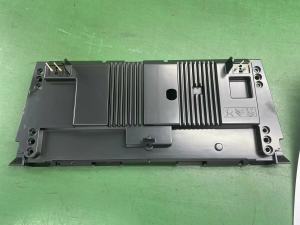
Electrophoretic coating of stamping parts — epoxy resin e-coat protects cut edges on stamped structural plates.
Parameters to Compare Before You Commit
Two comparisons decide most UAV coating projects: what the coating has to deliver, and which chemistry class can deliver it.
| Parameter | Specification | Why it matters for UAV parts |
|---|---|---|
| Standard film thickness | 15–25 µm (customizable) | Weight neutrality and unchanged assembly tolerances |
| Thickness tolerance | ±1 µm; variation controlled within ±5% | Consistent corrosion performance part to part |
| Coverage in complex geometry | Over 95%–98% in cavities, seams and internal holes | No spray dead corners inside frames and housings |
| Neutral salt spray (NSS) | 500–1,500 hours without red rust (automotive-grade specification range); 300–1,000 hours on Yongxin’s high salt spray line | Defines service life in coastal, humid and salt-exposed deployment |
| CASS test | Exceeds 96 hours | Accelerated check on coated metal assemblies |
| Service temperature | −40 °C to over 85 °C | Outdoor and high-altitude operating conditions |
| Chemistry and emissions | Water-based, lead-free and chrome-free, low VOC, RoHS compliant | Supports ISO 14001 environmental requirements |
| Colors | Black (matte or glossy) standard; white, grey, silver and custom | Visible housings and branding requirements |
| Chemistry class | Salt spray benchmark | Market position |
|---|---|---|
| Cathodic epoxy e-coat | Frequently exceeds 1,000 hours (ASTM B117) | Dominant share of the coating market |
| Anodic e-coat | Typically around 500 hours | Widely used where optical clarity and specific aesthetics matter |
| Yongxin high salt spray line (anion, acrylic and epoxy resin) | 300–1,000 hours depending on grade and part | Part of a range that also includes cationic electrophoretic coating |
For a 1,000-hour target on magnesium and aluminum UAV parts, the practical route is to specify the chemistry class and the test standard together, then confirm both with parts from the actual production line rather than with a general datasheet.
Frequently Asked Questions
What certifications should an electrophoretic coating supplier hold for UAV and security hardware projects?
At minimum, look for ISO 9001 quality management system certification and ISO 14001 environmental management system certification; IATF 16949 automotive quality management system certification is a stronger signal because it means the process is audited to automotive discipline. Yongxin holds all three and was awarded National High-Tech Enterprise status in 2023. On the technical side, the coating system itself should be water-based and free of heavy metals such as lead and chrome, with RoHS compliance and low VOC emissions, and salt spray results should be reported against a named standard such as ASTM B117 neutral salt spray, with CASS testing available as an additional accelerated check.
Can electrophoretic coating be applied to intricate magnesium and aluminum UAV parts without changing weight or fit?
Yes, within a defined film budget. Standard coating thickness is 15–25 µm and is customizable, with automated lines typically holding thickness tolerance within ±1 µm and variation within ±5%. Because the film is measured in micrometers, it does not materially change the mass or balance of a UAV structural part, and it stays inside normal assembly tolerances. Coverage in complex 3D geometry — deep cavities, tight seams and internal holes — reaches over 95%–98%, which is the main reason the process suits intricate magnesium and aluminum alloy frames and housings.
What drives the cost of electrophoretic coating for drone structural parts?
Cost is driven by the part family and substrate, the amount of surface preparation required, the specified film thickness, and whether the color is a standard black or a custom color. Die-cast, stamped and CNC machined parts each consume different amounts of pretreatment and handling time, and tighter thickness specifications reduce line throughput. Batch volume is the other main lever: Yongxin runs 6 electrophoresis production lines with annual production capacity of 30,000,000 units and can undertake large-batch and multi-category orders, so consolidating part numbers into fewer, larger batches usually improves the commercial picture. Share your part list, substrate, target film thickness and annual volume for a specific quotation rather than relying on a generic price assumption.
How can a buyer validate e-coat performance before mass production?
Validate with physical parts, not datasheets. The standard route is to run sample parts through the actual production line and then measure film thickness and appearance with calibrated instruments, followed by corrosion testing. Yongxin provides professional electrophoretic coating processing for complex structural parts and operates a testing laboratory for salt spray and adhesion analysis. The instrument set used in production includes a German FISCHER film thickness gauge, a Swiss Zehntner gloss meter, a Japanese Konica Minolta spectrophotometer and a Japanese Mitutoyo roughness meter, supported by a salt spray tester, constant temperature and humidity tester, reflectometer, electron microscope, tape abrasion tester, alcohol rubber friction tester and tank solution analysis equipment. Ask for film thickness measurements, salt spray hours to the agreed failure criterion, and adhesion results on your own geometry.
How should buyers shortlist electrophoretic coating manufacturers for UAV parts?
Shortlist on process control rather than on coating color alone. Four criteria separate capable suppliers: whether metal forming and coating sit in the same chain (so CNC machining, die casting and stamping tolerances are controlled before coating), how much electrophoresis capacity exists for volume ramp, what inspection equipment is used to release parts, and which management system certifications are in place. Yongxin combines more than 20 CNC machines, more than 10 die-casting machines, more than 10 metal stamping machines and 6 electrophoresis production lines with a quality inspection system of more than 20 high-precision testing instruments, and exports account for 30% of sales across Europe and America, Southeast Asia, Mexico, Poland, Turkey and Brazil. If your program is evaluating suppliers now, request sample coating on your own magnesium or aluminum parts and review the salt spray and thickness data before placing tooling commitments.
Next Step
UAV and security hardware programs are usually judged on the deployed part, not on the coating specification sheet. The most reliable way to confirm a 15–25 µm film, the coverage inside an intricate frame, and the salt spray hours your application actually requires is to send parts for sample coating and review the measured results.
Yongxin accepts sample and quotation requests for drone and security system components in magnesium alloy, aluminum alloy, zinc alloy, die-cast, stamped and CNC machined parts. Contact Mr. Wu at wuzj@yxsydy.com, by phone or WhatsApp at +8615322922788, or through yxecoat.com. Company brochures and the full coating range are available in the Yongxin coating solutions brochure.
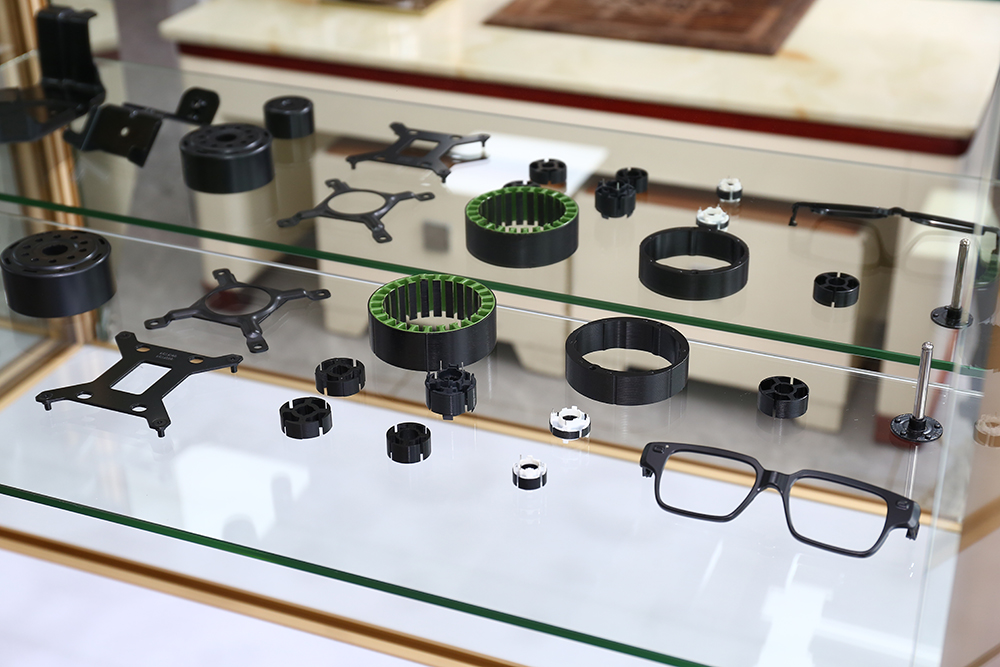
Coated sample parts prepared for customer evaluation — request samples on your own geometry before mass production.
Dongguan Yongxin Industrial Co., LTD — electrophoretic coating processing for metal surface treatment, Qiaotou Town, Dongguan City, Guangdong Province, China.
Have Questions or Need More Details?
Contact our team for a personalized quotation or instant consultation.
Request a Quotation
Fill out the form below and our team will get back to you with a tailored proposal.
WhatsApp Direct Chat
Prefer to chat in real-time? Message us on WhatsApp for instant assistance & quick answers.
- Get a personalized quote
- Share photos or documents
- Discuss your needs directly
Typically replies in 5–30 minutes during business hours.