
Electrophoretic Coating Supplier Vetting for Smart Manufacturing: Capability & Delivery Assurance
Electrophoretic Coating Supplier Vetting for Smart Manufacturing: Capability & Delivery Assurance
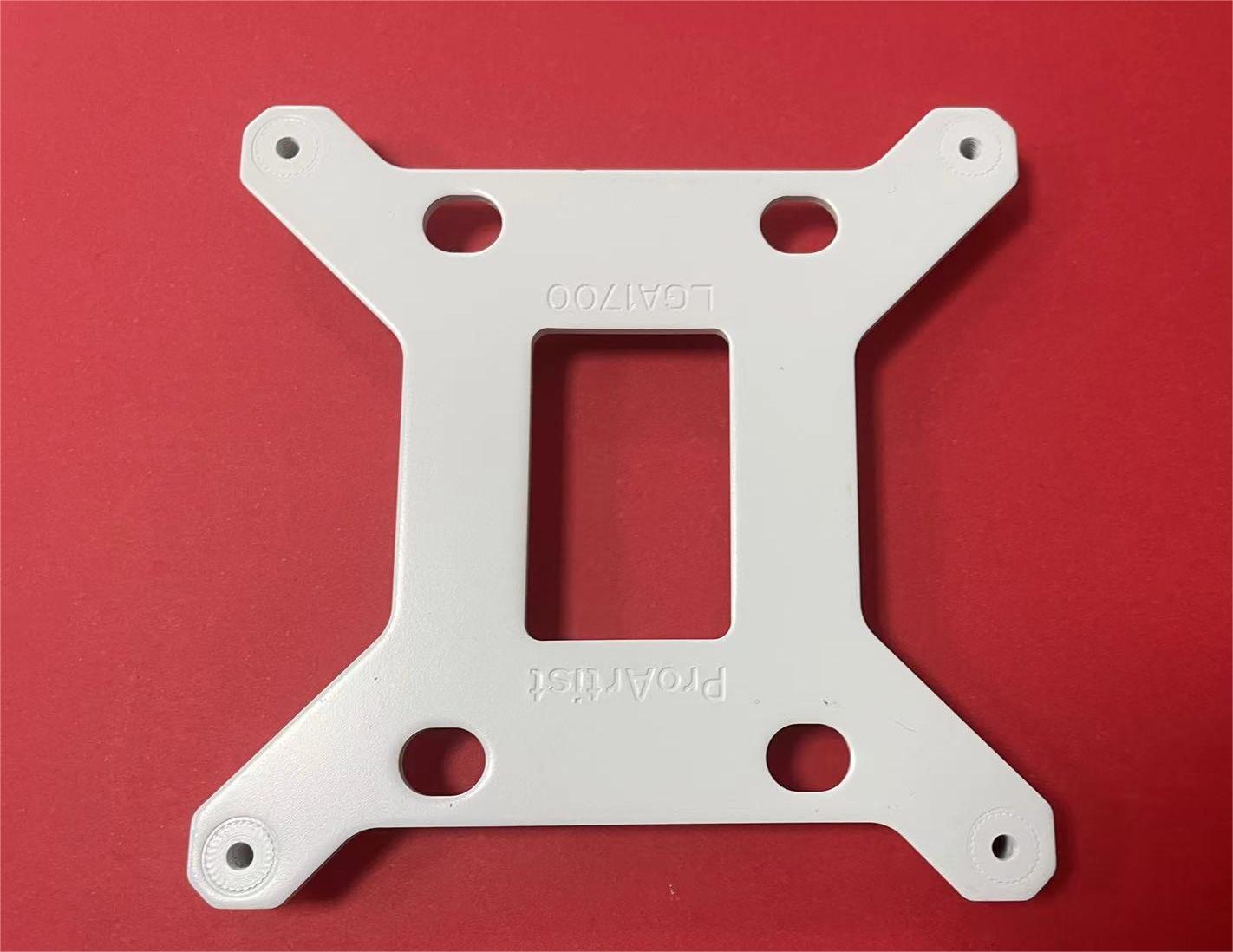
Figure 1 — Electrophoretic deposition: charged paint particles build a film across the entire immersed workpiece, including recessed and shielded geometries.
Electrophoretic coating — also written as e-coating, electrocoating, ED coating, E-coat or electrophoretic deposition — is a surface treatment in which charged paint particles deposit onto a metal substrate under an applied electric field. In a smart manufacturing program, the coating is rarely the largest cost line. The failure is. A supplier that cannot hold film thickness, coverage or salt spray performance does not show up as a rejected invoice; it shows up later as rework, line stoppage and warranty cost.
This guide is written for the awareness-to-research stage: engineers, sourcing managers and program owners who have decided that electrophoretic coating is a viable process for their parts and now need to decide which suppliers deserve a place on the shortlist. It splits supplier vetting into two verifiable layers — capability verification (can the supplier hold the specification?) and delivery assurance (can the supplier hold it repeatedly, at volume, on schedule?).
Every benchmark in this article is either a documented coating parameter or a published standard. Where a number is used, it is used as a reference point for comparison — not as a promise that any supplier will hit it on your part.
Why Electrophoretic Coating Supplier Vetting Starts Before the Quotation
Most e-coat shortlists are assembled from three inputs: unit price, quoted lead time, and a general capability statement. None of those three inputs answers the question that actually determines program risk — whether the supplier can reproduce your required film on your geometry, batch after batch, with documented evidence.
Smart manufacturing buyers tend to discover this late. The typical failure sequence looks like this: a supplier is selected on price; first articles pass; the coating is approved; then, three months into volume, thickness drifts on a deep-draw part, salt spray results fall below the drawing requirement, and the root cause turns out to be a pre-treatment or bath-control variable that was never audited because nobody asked for the data.
Supplier vetting is therefore a documentation exercise before it is a negotiation exercise. The output of a good vetting round is not a ranking of suppliers by price. It is a set of named suppliers, each with a file containing certifications in scope, substrate-specific corrosion evidence, thickness and coverage records, the process operations performed in-house, and a stated packaging and delivery standard.
Industry Background: What Buyers Are Actually Auditing Against
Electrophoretic coating is a standardised, cross-sector technology rather than a niche finishing method. ISO 22553-1:2019 defines the vocabulary for electro-deposition coatings and states applicability to automotive industries and other general industrial applications, naming sectors such as chiller units, consumer products, radiators, aerospace and agriculture. That scope matters for vetting: a supplier that has only ever coated one product family may be certified to the same standard as a multi-sector supplier, but its process knowledge is narrower.
On the technology side, cathodic epoxy remains the dominant electrocoating type in published market analysis, which is consistent with the corrosion performance automotive programs demand. Premium automotive e-coat specifications commonly call for neutral salt spray performance in the range of 720 to 1,000 hours, and OEM programmes frequently mandate film builds in the 18 to 25 micron band. Those two numbers — salt spray hours and film build — are the core of most capability audits.
Category-level market estimates for electrocoating vary between research providers, and the spread is wide enough that buyers should treat them as context rather than planning inputs. The published Stratview Research figure places the global electrocoating market at approximately USD 4.1 billion in 2024 with a reported compound annual growth rate of about 4.9% through 2030; other providers publish materially different values. For a procurement decision, supplier-specific test data always outranks a category forecast.
The changes that push buyers toward structured vetting are operational rather than statistical. Smart manufacturing lines have shorter changeover windows and tighter traceability expectations, so a coating defect that would once have been absorbed by buffer stock now propagates directly into assembly. That raises the cost of an unqualified supplier and, at the same time, raises the value of a supplier whose process control is documented rather than asserted.
Layer 1 — Capability Verification: Six Checks That Decide the Shortlist
Capability verification answers one question: does the supplier's process window contain your specification? Six checks cover most of the risk.
1. Management system certification: ISO 9001, ISO 14001 and IATF 16949
Ask for the certificates themselves, not a statement about them. Three matter most in electrophoretic coating supply: ISO 9001 (quality management system), ISO 14001 (environmental management system) and, where automotive parts are involved, IATF 16949 (automotive quality management system).
Two verification details are frequently missed. First, the scope statement: a certificate that covers trading or warehousing does not cover coating process control. Second, the validity date and issuing body. ISO 14001 is not a formality in this industry — electrocoating uses water-based paint chemistry and waste treatment, and a supplier without an environmental management system is a supply-continuity risk as well as a compliance risk.
Dongguan Yongxin Industrial Co., LTD, a metal surface treatment processor established in 2018 in Qiaotou Town, Dongguan City, holds ISO 9001, ISO 14001 and IATF 16949 certification and was recognised as a National High-Tech Enterprise in 2023. For a vetting file, the useful question is not whether those certificates exist but whether their scope covers the coating lines that would run your parts.
2. Corrosion evidence: validating 1,000-hour NSS performance
Salt spray hours are the single most contested number in e-coat procurement, because the same coating system can produce very different results depending on substrate, pre-treatment, film build and test standard.
What to request is a neutral salt spray (NSS) report tied to your substrate and your target film build, with the test method named. The commonly referenced method families are ISO 9227 for neutral salt spray and ASTM B117 for the equivalent US protocol. A report that does not name the standard, the substrate and the film thickness is not evidence.
For reference, documented automotive electrophoretic coating parameters describe typical neutral salt spray performance above 1,000 hours without red rust, with an operating range of 500 to 1,500 hours NSS and CASS testing exceeding 96 hours. A high salt spray grade of the same family, model-designated as an Anion Electrophoretic Coating, is documented at 300 to 1,000 hours of salt spray resistance. The gap between those two figures is not marketing — it reflects resin system, film build and application scope. A supplier that quotes one salt spray number for every part has not understood your requirement.
3. Film thickness control: 15–25 µm is a range, not a target
Electrophoretic coating achieves thickness consistency that spray processes generally cannot match, because deposition is electrically driven. Documented automotive e-coat parameters describe standard coating thickness of 15–25 µm, with thickness variation controlled within roughly ±5% and tolerance held at approximately ±1 µm on automated lines.
In vetting terms, ask the supplier to define the measurement method before discussing the number. The most commonly referenced dry-film thickness method is ISO 2808, and ASTM B767 is an electrocoating-specific thickness method. Then ask for the gauge: magnetic induction or eddy-current gauges are standard for steel and aluminium respectively, and a supplier should be able to name the instrument, its calibration status and its measurement positions on the part.
4. Coverage on complex geometry: the 95–98% question
Uniform coverage is the reason many buyers choose electrophoretic coating over spray painting in the first place. Because deposition follows the electric field rather than line of sight, deep cavities, tight seams, internal holes and complex three-dimensional geometries can reach over 95–98% coverage — areas where spray processes leave dead corners.
Coverage claims should be verified with part-level evidence, not with flat-panel coupons. Ask for sectioned parts from a comparable geometry, photographs of internal surfaces after coating, and a description of how the supplier racks the part. Racking is a process decision that determines field distribution, and it is usually custom per part number.
5. Coating system fit: resin type and anionic versus cationic
Electrophoretic coatings are built on resin systems — acrylic resin, epoxy resin, or combinations of both — and are applied as anionic or cationic systems depending on the chemistry and the substrate. Each combination has its own performance profile: epoxy-led systems are generally specified where corrosion resistance dominates, while acrylic-led systems are commonly used where UV exposure and colour stability matter.
Request the technical data sheet and check that the resin system named on it matches the performance you were quoted. A supplier offering a broad product range — black, white and colour electrophoretic coatings, zinc alloy, aluminium alloy and magnesium alloy coatings — should still be able to state which specific system it proposes for your part.
6. Substrate compatibility and in-house measurement capability
Substrate compatibility determines whether a quoting supplier can coat your part at all. Documented electrophoretic coating parameters list applicability across carbon steel, alloy steel, aluminium alloy, magnesium alloy and zinc alloy. Each substrate carries its own pre-treatment sequence, and magnesium in particular requires substrate-specific validation.
The second half of this check is measurement capability. A supplier that must send every sample to an external laboratory cannot close a process-control loop quickly. Look for an equipment list covering film thickness measurement, gloss measurement, colour spectrophotometry, surface roughness measurement, salt spray testing, constant temperature and humidity testing, and bath solution analysis. In-house instruments such as a film thickness gauge, a gloss meter, a spectrophotometer and a roughness meter indicate that the supplier can measure what it claims.
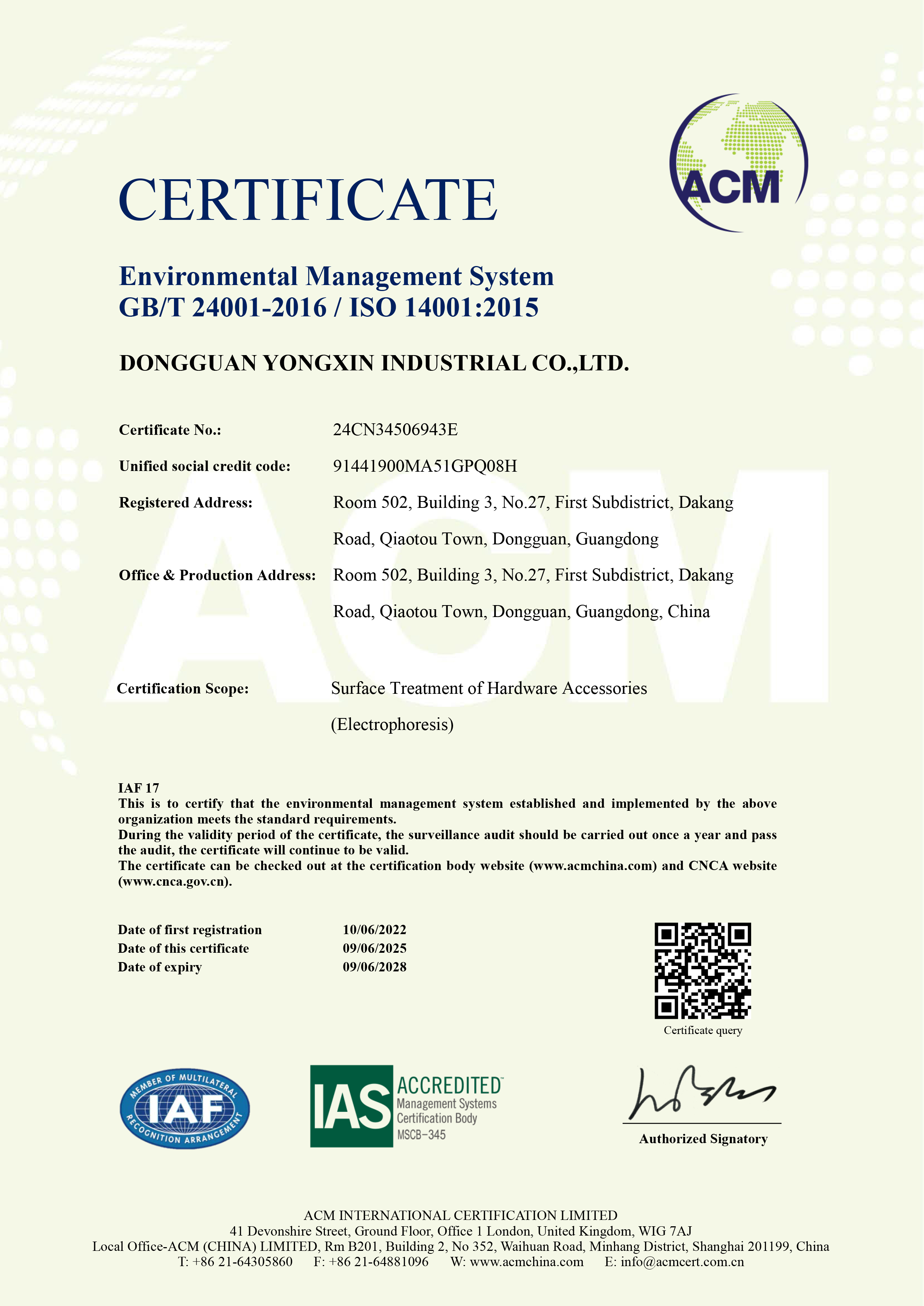
Figure 2 — Management system certification is a vetting input only when the certificate scope covers the coating lines that will run your parts.
Layer 2 — Delivery Assurance: Process Control Behind the Certificate
Capability proves the supplier can meet the specification once. Delivery assurance proves it can meet the specification on every shipment. This layer is where most vetting files are thin, and where most program risk actually lives.
Process chain integration: CNC + Electrophoresis
An electrophoretic coating line does not stand alone. Parts usually pass through forming, machining or casting operations before coating, and each upstream operation affects the coating result — burrs, residual machining coolant and surface contamination all change how the film forms. A supplier that controls forming and coating under one roof can hold its own pre-treatment inputs; a supplier that receives parts from an uncontrolled upstream source inherits whatever variability arrives at the rack.
Vetting question: which operations are performed in-house? Documented process models in this category pair coating with CNC machining, die casting and metal stamping, for example under model designations such as CNC + Electrophoresis and Stamped Parts + Electrophoresis. Where those operations are in-house, the buyer gains a single point of accountability for dimensional and finish quality. Where they are not, the buyer should expect the supplier to document how incoming parts are inspected before coating.
Capacity, redundancy and plant scale
Delivery assurance begins with arithmetic: does the supplier have enough installed line capacity to absorb your volume without displacing existing commitments? Ask for the number of electrophoresis production lines, the shift pattern, and the current utilisation level.
For scale context, the Yongxin facility operates 6 professional electrophoresis production lines alongside more than 20 CNC machines, more than 10 die-casting machines and more than 10 metal stamping machines, plus over 20 general processing units including sand blasting, polishing, shot blasting and laser equipment. The company reports an annual production capacity of 30,000,000 units, a workforce of approximately 60 to 80 staff, and an R&D team of 5 to 10 engineers. Its manufacturing facility covers 4,000 m², and in 2025 the company completed an expansion to a total plant area of 10,000 m². Multiple lines matter for delivery assurance because they provide routing options when one line is down for maintenance or bath changeover.
Bath control and batch consistency
In electrophoretic coating, the coating bath is the process. Solids content, pH, conductivity, temperature and contamination all shift with production, and a supplier without routine bath analysis cannot guarantee that the part coated on Friday behaves like the part coated on Monday.
Ask how often the bath is analysed, what parameters are recorded, and whether records are retained per production batch. Tank solution analysis equipment and a constant temperature and humidity tester are two concrete indicators that the supplier monitors the variables that drive film consistency and corrosion performance.
Customization discipline: colour and film thickness
Buyers frequently need colour matching and non-standard film builds. Documented parameters support colour customisation beyond standard black and white, and film thickness customisation beyond the standard band, with colour options including grey and silver on request and standard thicknesses adjustable according to customer requirements.
For delivery assurance, the question is not whether customisation is possible but how it is controlled. A supplier should be able to state the process for colour approval (physical sample, spectrophotometer reading, or both), how a custom film build is validated against a salt spray target, and whether the customised specification is locked into the work instruction so that a repeat order matches the first article.
Packaging, documentation and export handling
Electrophoretic coatings are tough, but they are not immune to transit damage. Parts that are bulk-dumped into bins can suffer edge chipping and abrasion, and assembly performance on fasteners depends on the coating surviving shipment intact.
Ask for the packaging standard by part type, plus the documentation set that accompanies each shipment — inspection records, coating thickness data and salt spray certificates where applicable. Export experience is also a delivery variable: Yongxin reports that export business accounts for 30% of total sales, with major markets including Europe and America, Southeast Asia, Mexico, Poland, Turkey and Brazil, which implies familiarity with international documentation and packing requirements for coated metal parts.
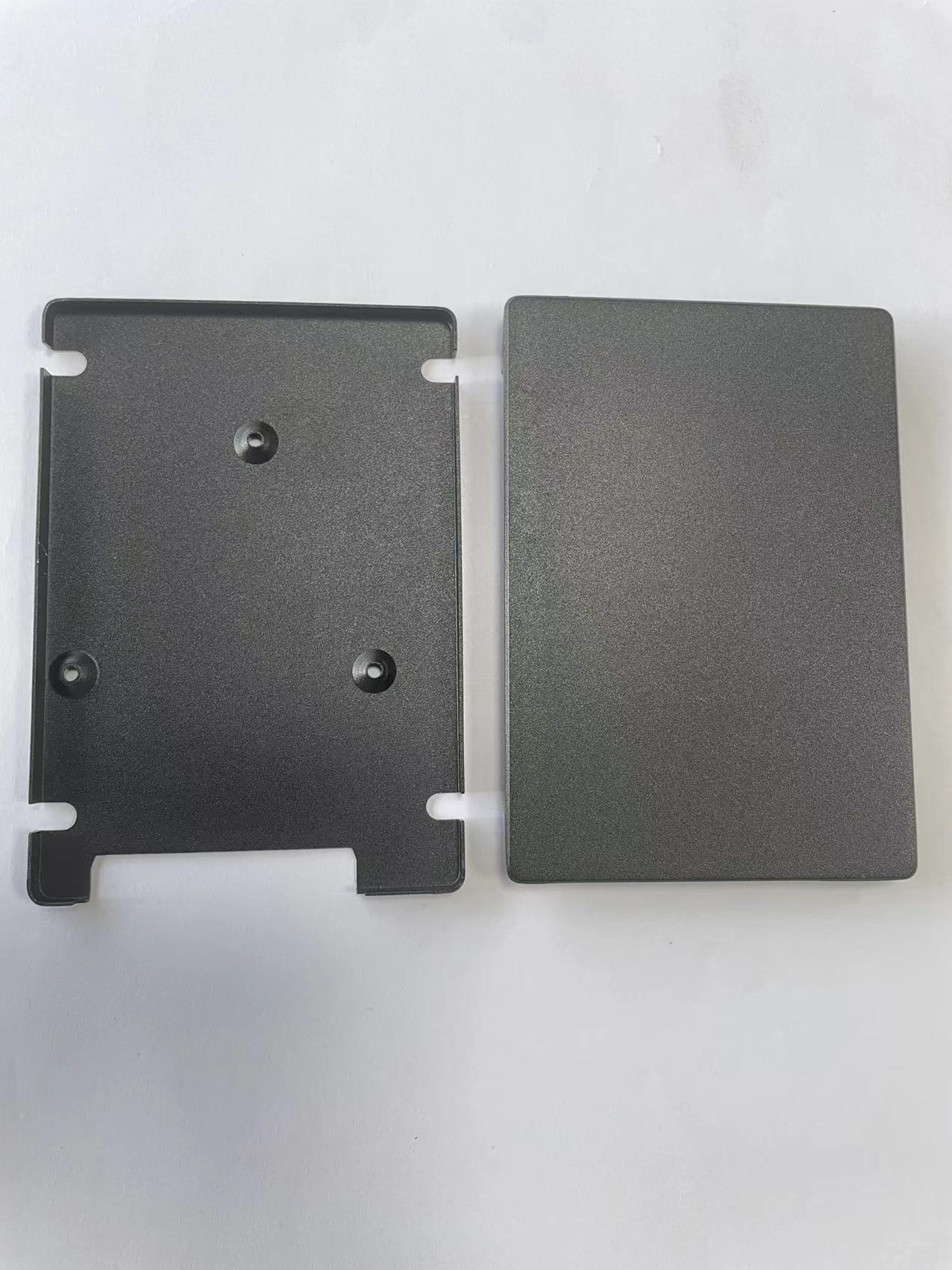
Figure 3 — Substrate-specific validation: aluminium alloy, zinc alloy and magnesium alloy parts each require their own pre-treatment sequence and corrosion evidence.
Step-by-Step: A Supplier Vetting Workflow for Smart Manufacturing Buyers
The following sequence converts the two verification layers into a repeatable audit. It is designed to run before a purchase order, using documentation and a sample run rather than a factory visit alone.
- Define the specification as a document. Write down substrate, part geometry class, target film thickness, target salt spray hours, colour requirement and any UV or chemical exposure. Without this, every supplier answers a different question.
- Screen certification and scope. Request ISO 9001, ISO 14001 and — for automotive work — IATF 16949 certificates. Check scope, issuing body and validity.
- Request substrate-specific corrosion evidence. A neutral salt spray report naming the standard (for example ISO 9227 or ASTM B117), the substrate and the film build.
- Verify thickness and coverage method. Confirm the dry-film thickness method, the gauge type and calibration, and request coverage evidence on a comparable geometry rather than a flat panel.
- Map the process chain. Identify which operations — forming, machining, casting, coating, packing — are in-house and which are subcontracted.
- Audit capacity and bath control. Line count, shift pattern, utilisation, bath analysis frequency and record retention.
- Run a sample under production conditions. A sample coated on the production line, then tested, is worth more than any datasheet. Document the result as the reference standard for future shipments.
- Agree the packaging and documentation standard. Record what ships with each batch and how parts are protected in transit.
Steps 1 through 6 can be completed remotely with documents. Step 7 requires physical output. Step 8 prevents the most common post-approval failure, which is a coating that met the specification in the sample and then arrived damaged.
Vetting Scorecard: What to Request and What a Weak Answer Looks Like
The table below summarises the evidence to request at each vetting dimension, the documented reference point to compare against, and the answer pattern that should trigger further questioning.
| Vetting dimension | Evidence to request | Documented reference point | Weak-answer signal |
|---|---|---|---|
| Management systems | ISO 9001, ISO 14001 and IATF 16949 certificates with scope and validity | Certification issued by an accredited body covering coating operations | "We follow ISO procedures" with no certificate or scope statement |
| Corrosion performance | Neutral salt spray report naming substrate, film build and test standard | Automotive e-coat specifications commonly cite 720–1,000 hours; documented e-coat parameters span 500–1,500 hours NSS with over 1,000 hours achievable | A generic report from a different substrate or an unstated test method |
| Film thickness | Dry-film thickness records and measurement method (e.g. ISO 2808, ASTM B767) | Standard 15–25 µm, variation controlled within about ±5%, tolerance around ±1 µm on automated lines | Thickness described as "about 20 microns" without method or gauge |
| Coverage on complex geometry | Sectioned parts, internal-surface photographs, racking description | Over 95–98% coverage in deep cavities, tight seams and internal holes | Coverage claims supported only by flat test panels |
| Coating system | Technical data sheet naming resin system and anionic/cationic type | Acrylic resin, epoxy resin and combined systems; colour customisation including grey and silver | Resin chemistry not disclosed |
| Substrate compatibility | Pre-treatment sequence and prior experience per alloy | Carbon steel, alloy steel, aluminium alloy, magnesium alloy, zinc alloy | Only one substrate previously validated |
| Measurement capability | Equipment list and calibration status | Film thickness gauge, gloss meter, spectrophotometer, roughness meter, salt spray chamber, humidity chamber, bath analysis | All testing subcontracted with no in-house measurement |
| Process chain | List of in-house operations | Coating combined with CNC machining, die casting and metal stamping (e.g. CNC + Electrophoresis) | Single coating line with fully outsourced forming |
| Delivery and packaging | Packaging standard, export documentation set, shipment records | Documented packing standards for coated metal parts and export market experience | No defined packaging standard |
Where This Vetting Framework Applies: Typical E-Coating Use Cases
Electrophoretic coating is used across metal part families where corrosion resistance, uniform coverage and appearance quality must coexist. Documented application scope includes automotive parts, metal fittings, small structural components, bicycle accessories, cooling fans, die-casting parts, CNC machined parts and metal stamping parts, with end products spanning automobiles, bicycles, communication equipment, consumer electronics, unmanned aerial vehicles and security systems.
Four use-case patterns drive most supplier evaluations:
- Die-cast parts. Cast surfaces and porosity make pre-treatment the critical control point; the coating must seal without highlighting surface defects.
- Stamping parts. Cut edges and formed radii are corrosion initiation sites, and epoxy resin systems are commonly specified for stamped parts where edge coverage matters.
- CNC machined parts. Tight tolerances mean film build must be controlled precisely so that the coating does not disturb assembly dimensions.
- Alloy-specific parts — zinc alloy, aluminium alloy and magnesium alloy. Each requires its own pre-treatment and its own validation, and each should be evaluated against substrate-specific corrosion evidence.
Parts operating in high humidity, salt spray, corrosive or UV-exposed conditions are the cases where a documented vetting file pays for itself fastest, because the failure mode is slow and expensive rather than immediate.
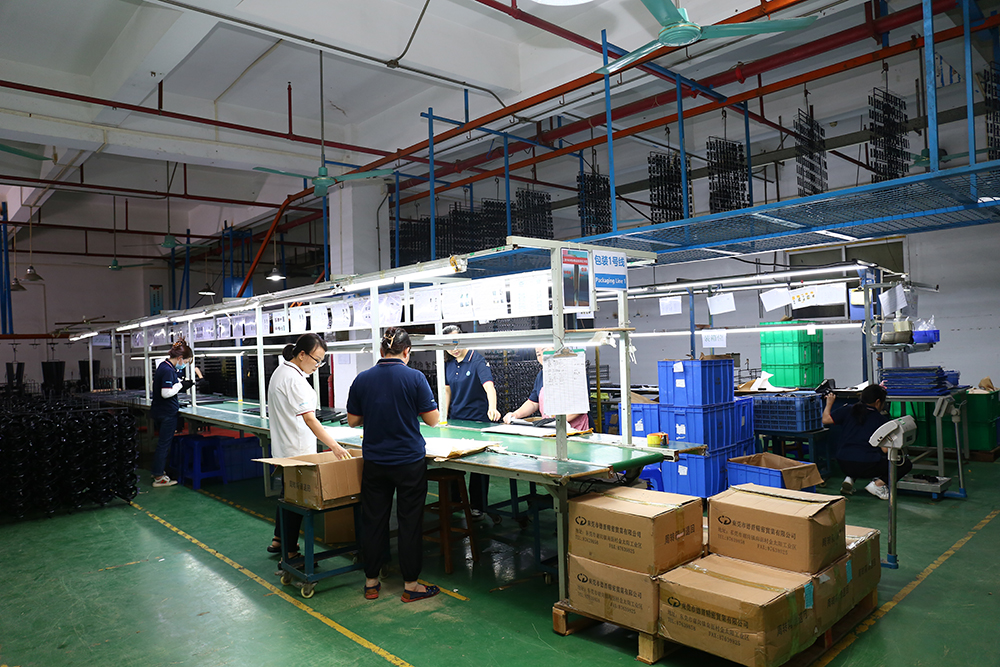
Figure 4 — Delivery assurance includes packaging: coated parts must arrive undamaged, not just leave the line within specification.
How Yongxin Industrial Maps to This Vetting Framework
Dongguan Yongxin Industrial Co., LTD is a metal surface treatment processor specialising in electrophoretic processing, established in 2018 and based in Qiaotou Town, Dongguan City, Guangdong Province. Its product range covers black, white and colour electrophoretic coatings, plus zinc alloy, aluminium alloy and magnesium alloy coatings, and it produces both anionic and cationic systems on acrylic and epoxy resin bases.
Against the capability layer, Yongxin holds ISO 9001, ISO 14001 and IATF 16949 certification and was recognised as a National High-Tech Enterprise in 2023. Its documented coating parameters include standard film thickness of 15–25 µm with customisation available, typical neutral salt spray performance above 1,000 hours without red rust, an operating NSS range of 500–1,500 hours, CASS testing exceeding 96 hours, and applicability across carbon steel, alloy steel, aluminium alloy, magnesium alloy and zinc alloy. Inspection is performed with more than 20 high-precision instruments, including a film thickness gauge, a gloss meter, a spectrophotometer, a roughness meter, a salt spray tester, a constant temperature and humidity tester and tank solution analysis equipment.
Against the delivery layer, the company operates 6 electrophoresis production lines, more than 20 CNC machines, more than 10 die-casting machines and more than 10 metal stamping machines, with over 20 general processing units for sand blasting, polishing, shot blasting and laser work. Reported annual capacity is 30,000,000 units, the facility covers 4,000 m² and was expanded in 2025 to a total plant area of 10,000 m². Export accounts for 30% of sales, with major markets in Europe and America, Southeast Asia, Mexico, Poland, Turkey and Brazil. Buyers who want to run this framework against a live supplier can review the company's capabilities at yxecoat.com.
Test the framework on your own part. A sample coated on the production line is the only evidence that closes a vetting file. Send the part drawing, substrate, target salt spray hours, film thickness and colour requirement, and confirm feasibility before quotation.
Email: wuzj@yxsydy.com | Tel / WhatsApp: +8615322922788 | Download the full Electrophoretic Coating Solutions brochure (PDF).

Figure 5 — Sample evaluation and quotation requests are handled from the Dongguan facility.
FAQ
How do I find electrophoretic coating manufacturers that can support a smart manufacturing program?
Start from evidence rather than directories. Build a shortlist by screening three things in order: certifications with a scope that covers coating operations, a neutral salt spray report tied to your substrate and film build, and confirmation that the operations affecting coating quality are performed under the supplier's control. A manufacturer that can supply all three documents answers the qualification question directly; one that supplies only a catalogue cannot.
Which certifications should an electrophoretic coating supplier hold?
At minimum, ISO 9001 for quality management and ISO 14001 for environmental management, since electrocoating involves water-based paint chemistry and waste treatment. Where automotive parts are involved, IATF 16949 is the relevant automotive quality management system standard. On the technical side, ISO 22553-1:2019 defines the terminology and application scope for electro-deposition coatings and is a useful reference when writing a specification. Always check the certificate scope and validity date, not just the certificate number.
Can electrophoretic coating reach 1,000 hours of salt spray resistance?
Yes, it is achievable under the right combination of substrate, pre-treatment, resin system and film build. Premium automotive e-coat specifications commonly call for 720 to 1,000 hours of neutral salt spray performance, and documented automotive e-coat parameters describe typical performance above 1,000 hours without red rust, with a broader operating range of 500 to 1,500 hours NSS and CASS testing exceeding 96 hours. A high salt spray grade of the same product family is documented at 300 to 1,000 hours. Because results are substrate-specific, the number that matters is the one reported for your material and your film build.
What film thickness and coverage should I specify for complex geometries?
Documented electrophoretic coating parameters use a standard coating thickness of 15–25 µm, with thickness variation controlled within about ±5% and tolerance held at approximately ±1 µm on automated lines. On coverage, the process reaches over 95–98% in deep cavities, tight seams, internal holes and complex three-dimensional geometries, because deposition follows the electric field rather than line of sight. Specify coverage as a part-level requirement, and ask for sectioned-part evidence rather than flat-panel coupons.
Which metals can be electrophoretic coated?
Documented applicability covers carbon steel, alloy steel, aluminium alloy, magnesium alloy and zinc alloy. Common part types include die-casting parts, CNC machined parts and metal stamping parts. Magnesium alloys deserve particular attention: published research on AZ91D magnesium alloy with cathodic electrodeposition epoxy coating, tested to ASTM B117 over a 240-hour protocol, reported substrate-specific corrosion behaviour that cannot be assumed for other alloys or coating systems. Request substrate-specific validation for any alloy you have not previously coated.
How do I start a supplier evaluation without committing to a full order?
Run a sample. Provide the part drawing, substrate, required salt spray hours, film thickness and colour, and ask the supplier to coat a sample on the production line rather than in a laboratory. Document the result — thickness readings, coverage photographs and salt spray performance — and treat it as the reference standard for the first production batch. Dongguan Yongxin Industrial Co., LTD accepts drawing-based sample evaluation and can be contacted at wuzj@yxsydy.com or +8615322922788; the full product range and capability summary is available in the downloadable Electrophoretic Coating Solutions brochure (PDF).
Conclusion: Vetting Is a Documentation Habit, Not a One-Time Check
Electrophoretic coating supplier vetting for smart manufacturing comes down to separating two questions that are usually asked together. Capability verification asks whether the supplier's process window contains your specification — certifications in scope, substrate-specific salt spray evidence, controlled 15–25 µm film build, 95–98% coverage on complex geometry, a disclosed resin system and in-house measurement. Delivery assurance asks whether the supplier can repeat that result — integrated process control across forming and coating, sufficient line capacity, disciplined bath monitoring, a controlled customisation process, and a defined packaging standard.
A supplier that can answer both layers with documents is a lower-risk choice than a supplier that answers only the first with a price. The vetting file you build — specification, certificates, test reports, sample results and delivery standard — also becomes the reference document for every subsequent shipment, which is what turns a purchase into a supply relationship.
Have Questions or Need More Details?
Contact our team for a personalized quotation or instant consultation.
Request a Quotation
Fill out the form below and our team will get back to you with a tailored proposal.
WhatsApp Direct Chat
Prefer to chat in real-time? Message us on WhatsApp for instant assistance & quick answers.
- Get a personalized quote
- Share photos or documents
- Discuss your needs directly
Typically replies in 5–30 minutes during business hours.