
Electrophoretic Coating Compliance Guide: ISO 9001/14001, Low-VOC & Global OEM Requirements
Electrophoretic Coating Compliance Guide: ISO 9001/14001, Low-VOC & Global OEM Requirements
An OEM-ready electrophoretic coating supplier must prove three things at the same time: a certified management system (ISO 9001 for quality, ISO 14001 for environment, and IATF 16949 where automotive parts are involved), a water-based coating chemistry that is lead-free, chrome-free and low in VOC, and part-level performance evidence — normally a 15–25 µm film, over 1,000 hours of neutral salt spray (NSS) resistance, and 95%–98% coverage on complex 3D geometry. A certificate on its own does not pass a customer audit; the documented numbers behind that certificate do.
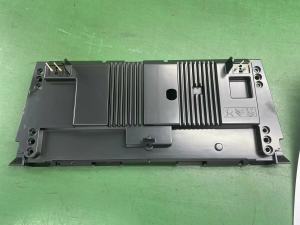
This guide is written for OEM buyers, procurement engineers, quality managers and importers who are evaluating electrophoretic coating (also called E-coating, ED coating or electrophoretic deposition) for a defined project. It explains how compliance evidence should be organised, which acceptance criteria belong in a specification, how an audit is prepared, and where substrate and geometry change the answer. The compliance facts referenced here are those published by Dongguan Yongxin Industrial Co., LTD (brand: Yongxin), an electrophoretic coating processor based in Qiaotou Town, Dongguan City, Guangdong, China.
Problem Definition: Why E-Coat Compliance Files Fail OEM Audits
Most electrophoretic coating compliance failures are not caused by a defective film. They are caused by a mismatch between what a supplier can document and what the buyer's project actually requires. Four patterns account for most of the friction in a Research-to-Evaluation stage review.
1. The certificate covers a system, not your part
ISO 9001 confirms that a quality management system exists; it does not, by itself, prove the salt spray result of a specific bracket, housing or bracket assembly. Buyers who treat certification as a substitute for per-part test data usually discover the gap during first-article approval rather than at the quotation stage.
2. Environmental claims are asserted but not documented
"Low VOC", "water-based" and "heavy-metal free" are meaningful only when a supplier can attach a technical data sheet, a safety data sheet, a heavy-metal declaration and a RoHS statement to the quotation. Without documents, these statements cannot be transferred into an OEM compliance checklist.
3. The acceptance criteria are copied from another project
A zinc-alloy die casting with deep cavities, tight seams and internal holes is not the same coating project as a flat stamped panel. Film thickness targets, coverage expectations and salt spray hours should be defined per substrate and per geometry — not copied from a previous program.
4. Audit preparation starts after the purchase order
Electrophoretic coating audits are document reviews and line walks. Both take time. Suppliers that prepare the compliance file before the site visit shorten qualification; suppliers that assemble it afterwards delay ramp-up.
Industry Background: Why Compliance Requirements Keep Tightening
Demand for E-coating is expanding, and expansion is precisely why OEM checklists have become more document-driven. According to Dataintelo, the global electrophoretic coating market was valued at approximately USD 3.5 billion in 2023 and is projected to reach USD 6.1 billion by 2032, a trajectory supported by a projected CAGR of 6.5% from 2024 to 2032.
Regionally, Grand View Research reports that Asia-Pacific held over 46% revenue share of the broader coatings market in 2025, led by China and India — the region where most new E-coat capacity is being installed. For buyers, more available capacity means supplier selection shifts from availability to verifiability.
Performance expectations are also becoming standardised. Market Reports World notes that cathodic epoxy coatings frequently exceed 1,000 hours of salt spray resistance under ASTM B117, while anodic coatings typically maintain around 500 hours. That distinction matters commercially: the chemistry a supplier quotes determines the corrosion hours it can credibly document.
The supplier landscape is global and consolidated at the top, with PPG Industries, BASF SE, Axalta Coating Systems, Nippon Paint and Kansai Paint identified by Mordor Intelligence among the major E-coat players. Below that tier, regional processors compete on process control, documentation quality and response speed — the three variables a compliance checklist is designed to test.
The Three-Layer Compliance Framework for Electrophoretic Coating
A defensible compliance file is built in three layers. Each layer answers a different question, and each layer can fail independently.
Layer 1 — Management system evidence
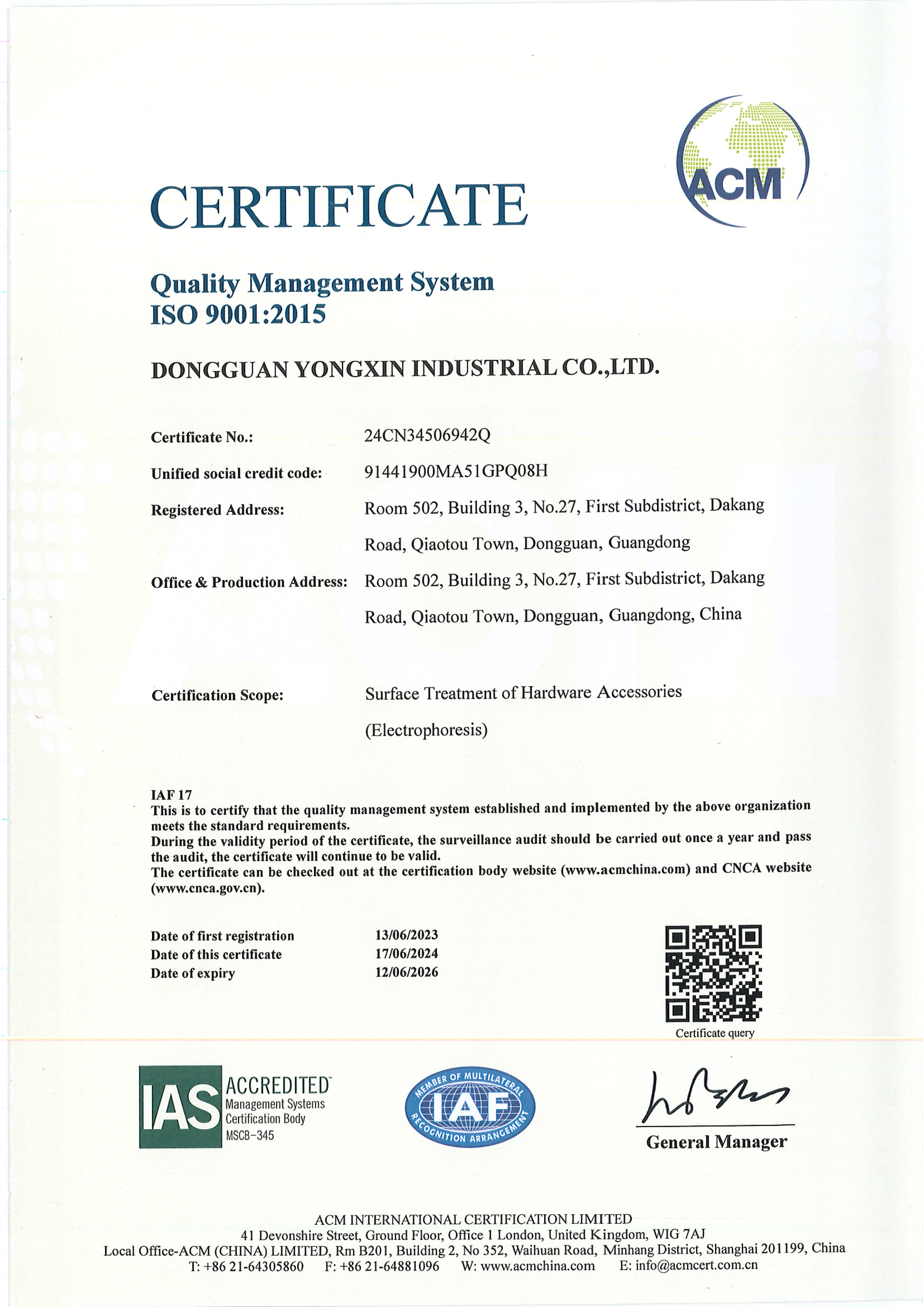
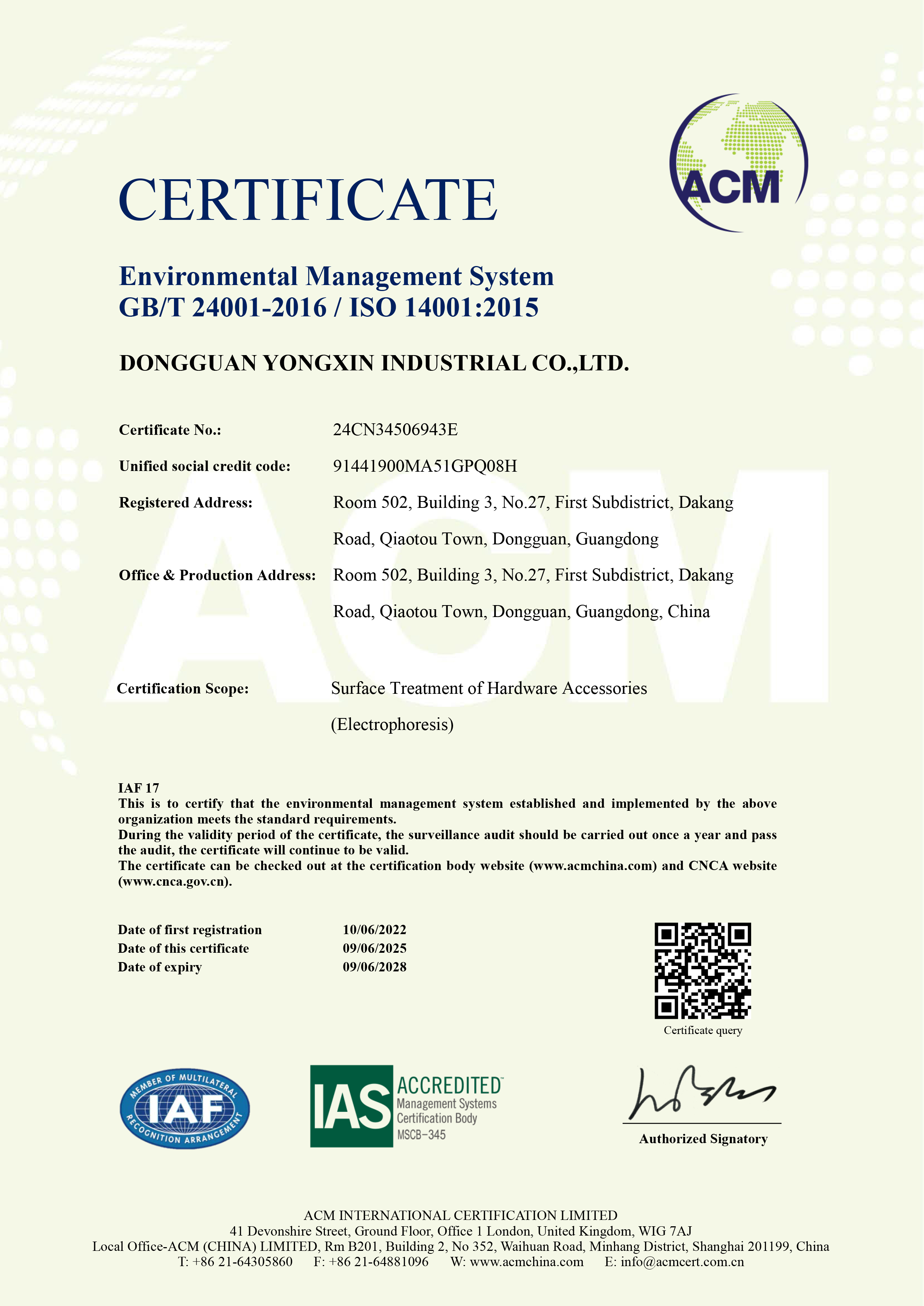
The first layer proves that the process is governed by documented procedures. Yongxin has passed ISO 9001 Quality Management System Certification, ISO 14001 Environmental Management System Certification and IATF 16949 Automotive Quality Management System Certification, and was awarded National High-Tech Enterprise status in 2023. The company also holds multiple national utility model patents.
What to request at this layer: certificates showing scope and validity, the date of the most recent surveillance audit, and the organisational owner of each system. What this layer does not prove: that a specific part will reach a specific salt spray hour. That is Layer 3.
Layer 2 — Chemistry and environmental documentation
The second layer proves what is in the bath and what leaves the plant. Electrophoretic coating at Yongxin uses water-based paints free of heavy metals, including lead-free and chrome-free systems, with extremely low VOC emissions and compliance with international environmental standards such as RoHS. The ISO 14001 certificate is the system-level proof; the technical documentation is the product-level proof.
What to request at this layer: coating technical data sheet, safety data sheet, heavy-metal declaration, VOC content statement, and the waste and bath-monitoring procedure. Tank solution analysis equipment is part of the quality inspection system, which means bath chemistry is measured rather than assumed.
Layer 3 — Part-level performance evidence
The third layer is the one OEM auditors scrutinise most. It ties the process to measurable results on real components: film thickness, salt spray hours, coverage on complex geometry, adhesion and appearance.
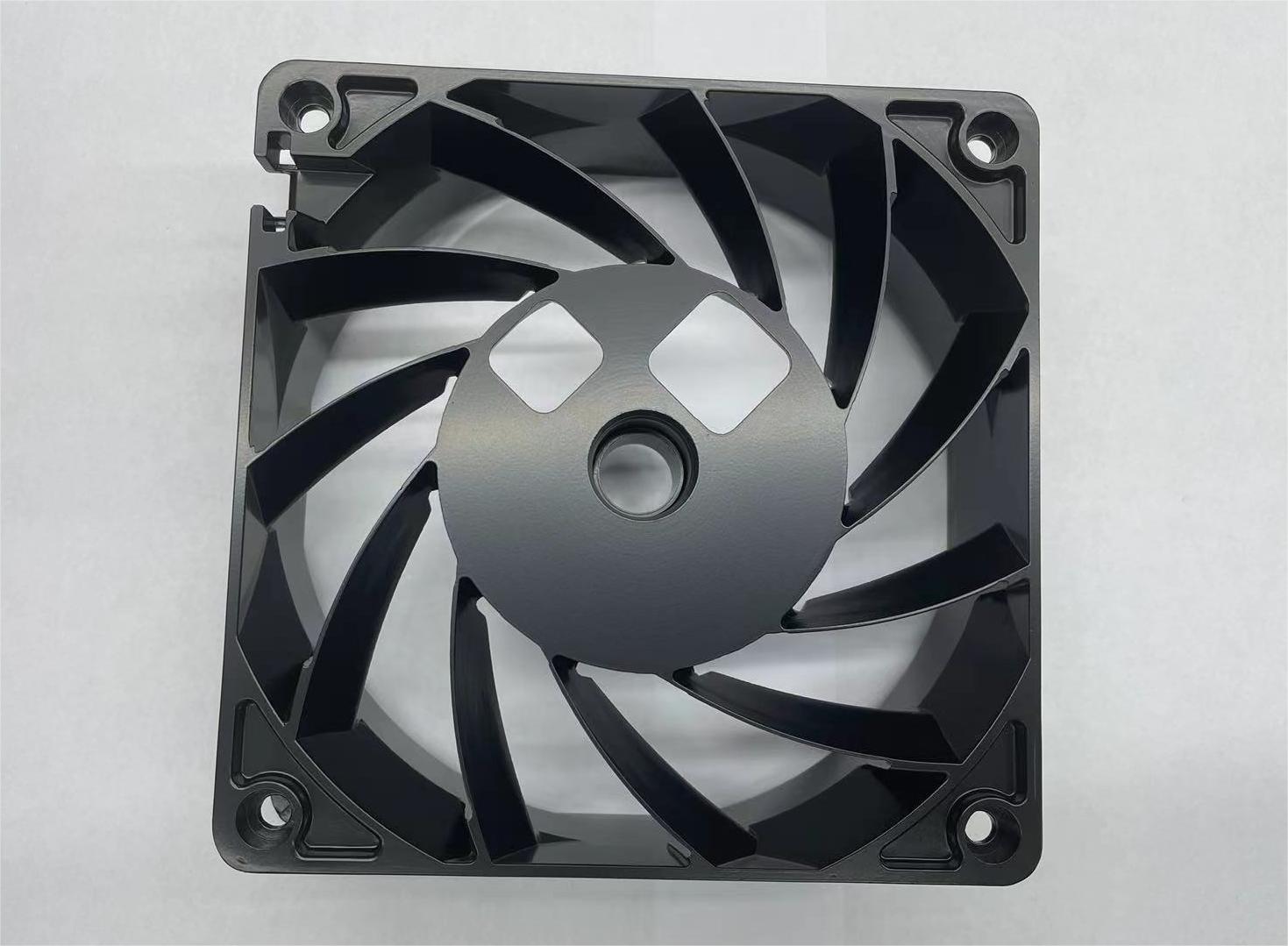
Electrophoretic coating forms a molecular-level bond with the substrate. Because charged paint particles deposit under Faraday's principle of electromagnetism, deep cavities, tight seams, internal holes and complex 3D geometries reach 95%–98% coverage, which is where conventional spray painting tends to leave dead corners. Automated E-coat lines hold thickness tolerance within approximately ±1 µm against a standard 15–25 µm range, so anti-corrosion performance stays consistent from part to part.
Yongxin maintains a complete quality inspection system with more than 20 high-precision testing instruments. The laboratory includes a German FISCHER film thickness gauge, a Swiss Zehntner gloss meter, a Japanese Konica Minolta spectrophotometer and a Japanese Mitutoyo roughness meter, together with a salt spray tester, a constant temperature and humidity tester, a reflectometer, an electron microscope, a tape abrasion tester, an alcohol rubber friction tester and tank solution analysis equipment. Every production procedure is inspected, and finished parts are 100% tested.
Acceptance Criteria: The Numbers an OEM Audit Should Confirm
The table below summarises the performance values an OEM buyer can reasonably write into an electrophoretic coating specification, together with the verification method. Values are drawn from Yongxin's published product specifications for automotive and high-salt-spray E-coating.
| Parameter | Documented value | How to verify |
|---|---|---|
| Dry film thickness | 15–25 µm standard, customizable; line tolerance within ±1 µm; thickness variation controlled within ±5% | FISCHER film thickness gauge readings on production parts, per batch |
| Neutral salt spray (NSS) | 500–1,500 hours without red rust; automotive-grade parts typically exceed 1,000 hours | Salt spray test report to ASTM B117 |
| CASS test | Can exceed 96 hours | Copper-accelerated acetic acid salt spray report |
| Coverage on complex geometry | 95%–98% on cavities, seams, internal holes and 3D geometry | Sectioning and borescope inspection of recessed features |
| Coating appearance | Uniform and fine, smooth surface free of flow marks and blisters; black, white and custom colours | Gloss meter and spectrophotometer, colour difference per batch |
| Chemistry | Water-based, lead-free and chrome-free, extremely low VOC, RoHS-compliant | Technical data sheet, safety data sheet, heavy-metal declaration |
| Substrates | Carbon steel, alloy steel, aluminum alloy, magnesium alloy, zinc alloy | Pre-treatment validation and adhesion test per substrate |
| Temperature resistance | Withstands -40°C to over 85°C without peeling or blistering | Thermal cycling followed by adhesion and appearance check |
One practical note on ranges: industry-wide references commonly describe E-coating thickness as 20–40 microns with material transfer efficiency reaching 95%, while Yongxin's standard specification for ordinary parts is 15–25 µm. The difference is not a contradiction — it reflects project requirements, pre-treatment and bath formulation. The correct approach for a buyer is to fix the thickness range for the specific part, then require the supplier to hold it within a stated tolerance.
Step-by-Step: Preparing an E-Coat Supplier Audit
A supplier audit for electrophoretic coating is a sequence, not a single meeting. The following six steps reflect how a compliance review should progress from Research to Evaluation.
Step 1 — Define the compliance scope of the project
Before contacting suppliers, write down the substrate (carbon steel, alloy steel, aluminum alloy, magnesium alloy or zinc alloy), the geometry class (die casting, stamping, CNC machined part), the service environment (humidity, salt spray, corrosive or UV-exposed conditions) and the OEM standard the part must satisfy. These four inputs determine every acceptance criterion that follows.
Step 2 — Request the document package before the site visit
Ask for ISO 9001, ISO 14001 and, where applicable, IATF 16949 certificates with scope; the coating technical data sheet; the heavy-metal and VOC declarations; and at least one comparable salt spray report. A supplier that can assemble this package quickly is signalling that the data already exists.
Step 3 — Match the numbers to your acceptance criteria
Compare the submitted values against the table above. Where a supplier cannot document a parameter, mark it as open rather than accepting a verbal statement. This is the single most effective filter in the evaluation stage.
Step 4 — Walk the line and the laboratory
On site, confirm that the process described in the documents is the process actually running. At Yongxin, six professional electrophoresis production lines are supported by more than 20 general processing units such as sand blasters, polishers, shot blasting machines and laser equipment, plus over 20 CNC machines, more than 10 die-casting machines and more than 10 metal stamping machines. Confirm bath monitoring, curing control, hanging and fixturing practice, calibration records for the film thickness gauge, and who signs off salt spray results.
Step 5 — Validate samples and freeze the specification
Sample validation converts a general capability into a project-specific one. Yongxin supports rapid sample confirmation, small batch colour difference control and full inspection of finished products, which reduces the risk of a specification being met in the laboratory but missed in mass production.
Step 6 — Lock commercial and continuity terms
Compliance does not end at the technical approval. Confirm MOQ, lead time, monthly capacity and after-sales support in writing. Yongxin operates an MOQ of 100, a lead time of 3–45 days depending on quantity, and a monthly capacity of 2,500,000, which allows large-batch and multi-category orders to be scheduled without breaking the validated process window.
Substrate and Application Fit: Matching Evidence to the Part
Compliance criteria are only meaningful when they are attached to the right substrate and geometry. The same E-coat line produces different documented outcomes depending on what is being coated.
- Carbon steel and alloy steel — structural parts, brackets, chassis and fastener components, where neutral salt spray hours are the primary acceptance criterion.
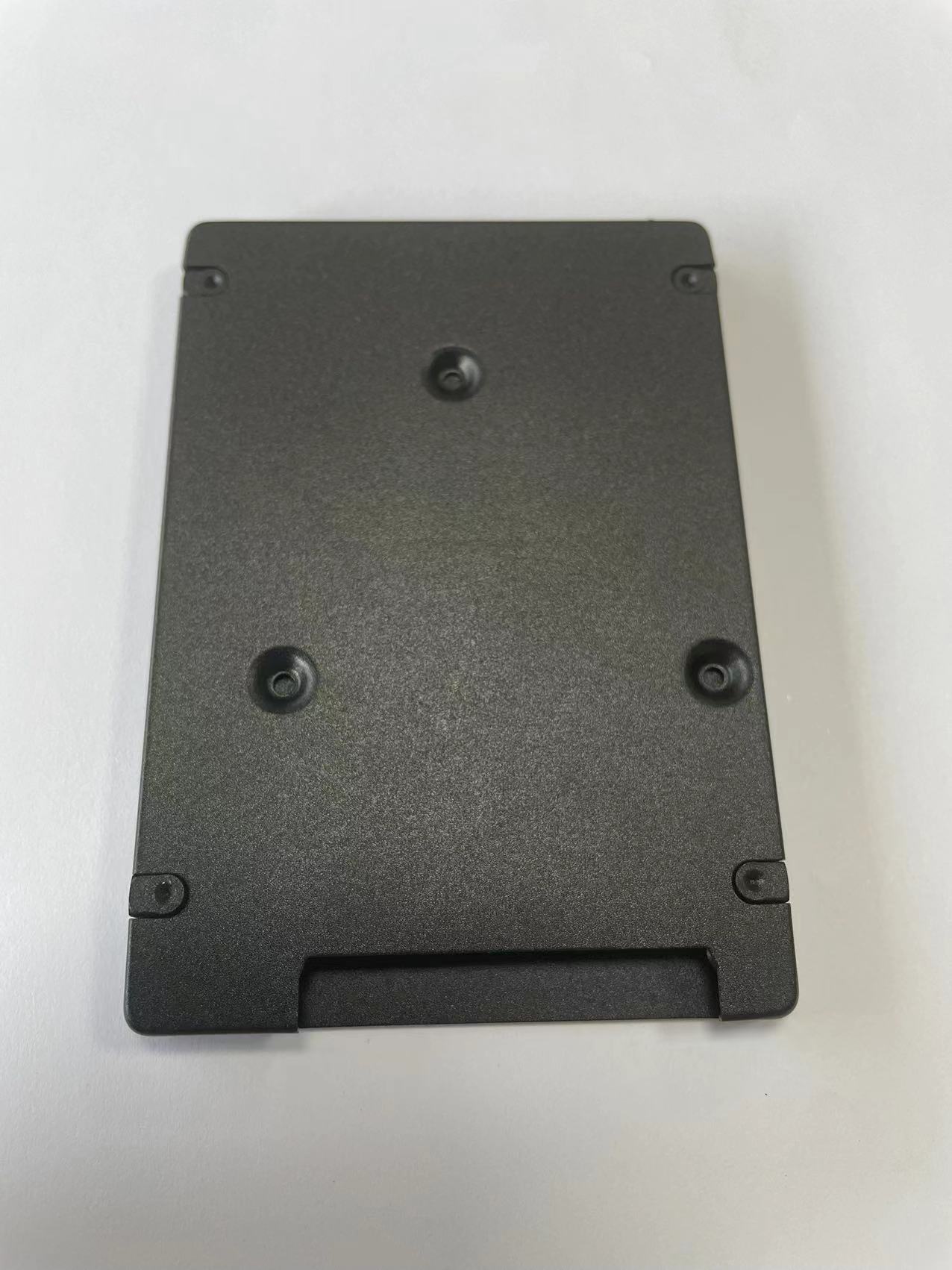
- Aluminum alloy — housings and thermal parts such as LED heat dissipation bases and aluminium alloy solid-state drive enclosures, where appearance consistency and coverage on machined surfaces matter as much as corrosion resistance.
- Magnesium alloy — weight-sensitive structures such as drone and UAV components, where uniform coverage of thin walls and internal ribs is the audit focus.
- Zinc alloy and die-cast parts — complex geometries with deep cavities and tight seams, where the 95%–98% coverage figure becomes the deciding acceptance criterion.
- Stamping parts — thin-gauge parts, often coated with epoxy resin E-coat, where edge coverage and film continuity are the risk points.
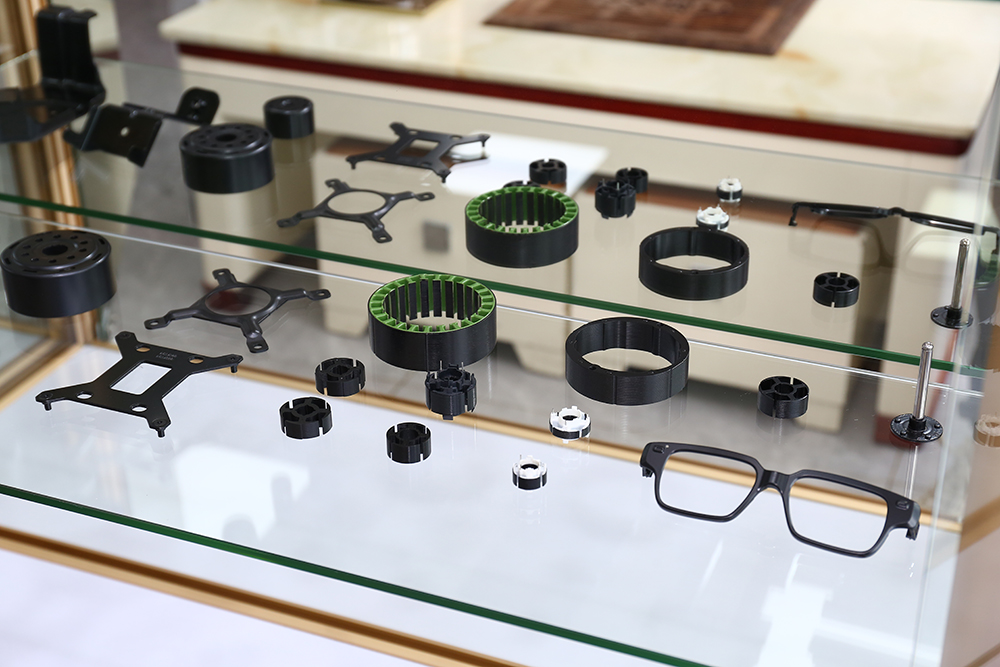
- CNC precision machined parts — multi-material, multi-colour projects where batch-to-batch colour stability and surface finish determine acceptance.
Use Cases: Compliance in Production
Motor manufacturing (Japan). A motor manufacturer applied anti-corrosion and anti-rust electrophoretic coating to electric motors, achieving a neutral salt spray resistance of over 720 hours with a smooth, glossy finish. Compared with non-E-coat processes, the coating extended product service life by 5 to 10 years. The compliance value here is the combination of uniform coverage of complex motor structural gaps, stable anti-corrosion performance under long-term harsh conditions, and low material loss during coating — all of which support continuous production across a 15,000,000-unit programme.
CNC precision machining (China). A CNC precision machining manufacturer required multi-material and multi-colour customisation. The relevant compliance outcomes were full coverage of corners and inner cavities without missed coating, strong adhesion, resistance to acid and alkali, and small batch colour difference under a full-process standardised operation. In this project the accepted evidence was a stable quality record across 10,000,000 units rather than a single test certificate.

Consumer electronics and automotive supply chains. Yongxin's processed products are used in automobiles, bicycles, communication equipment, consumer electronics, drones and security systems. The company states that it has long provided supporting processing services for well-known domestic and foreign brands including Huawei, DJI, OPPO, Panasonic, BYD, VIVO, Apple and Foxconn. In an audit context, this matters because these supply chains typically require traceable process records per delivery, not just an approved sample.
Comparison Table: Certification Scope and Coverage
The three certifications most frequently requested for electrophoretic coating projects cover different risks. Buyers should treat them as complements, not substitutes.
| Certification | What it governs | What the buyer should request | Status at Yongxin |
|---|---|---|---|
| ISO 9001 | Quality management system | Certificate with scope, latest surveillance audit date, inspection and calibration records | Passed |
| ISO 14001 | Environmental management system | Certificate with scope, waste and bath-monitoring procedures, VOC and heavy-metal documentation | Passed |
| IATF 16949 | Automotive quality management system | Certificate with scope, PPAP-related records and traceability per batch | Passed |
Coating chemistry adds a second comparison axis. Cathodic epoxy systems frequently exceed 1,000 hours of salt spray resistance under ASTM B117, while anodic systems typically maintain around 500 hours — so when a quotation specifies anionic E-coat, the buyer should confirm which salt spray hours are actually documented for that chemistry and that part. Yongxin supplies both anionic and cationic electrophoretic coating, along with acrylic resin and epoxy resin formulations, which means the chemistry should be selected against the project requirement rather than defaulted.
FAQ
Which certifications should an electrophoretic coating supplier hold for global OEM projects?
For most global OEM programmes, three certifications are requested: ISO 9001 for quality management, ISO 14001 for environmental management, and IATF 16949 where automotive parts are involved. Yongxin has passed all three. Buyers should request certificates showing scope and validity, then confirm that the certification covers the specific site and process line that will run the order. Certification is the entry requirement, not the complete evidence package.
How can a buyer confirm that an E-coat line will cover complex die-cast and stamped geometries?
Ask for coverage evidence rather than a general capability statement. Electrophoretic deposition drives charged paint particles into cavities, seams and internal holes under Faraday's principle, and documented coverage on complex 3D geometry reaches 95%–98%. For die-cast parts with deep cavities and tight seams, the practical verification methods are sectioning and borescope inspection of recessed features, combined with adhesion testing. For stamped parts, edge coverage and film continuity are the risk points to inspect. Yongxin also offers CNC precision machining, die casting and metal stamping as supporting processes, so pre-treatment and forming variables can be controlled within the same supply chain.
What commercial terms should OEM buyers expect — MOQ, capacity and cost drivers?
Yongxin operates an MOQ of 100, a lead time of 3–45 days depending on quantity, and a monthly capacity of 2,500,000, with 100% testing of finished parts. Cost is driven less by the quoted price per part than by four variables: the substrate and its pre-treatment requirements, the film thickness range and tolerance, the salt spray target, and the colour and batch size. A specification that fixes these four inputs allows suppliers to quote on a comparable basis. Export markets served include Europe and America, Southeast Asia, Mexico, Poland, Turkey and Brazil, with an export ratio of approximately 30%.
How does the sample validation process work before mass production?
Sample validation is where a general capability becomes a project-specific guarantee. The supplier applies the intended pre-treatment, coating chemistry, film thickness and curing cycle to real parts, then documents thickness, appearance, adhesion and salt spray performance. Yongxin supports rapid sample confirmation, small batch colour difference control and full inspection of finished products, which shortens the confirmation cycle and reduces the risk of a specification being met on a sample but missed in volume production.
What lead time applies, and how does a compliance review with Yongxin start?
Lead time ranges from 3 to 45 days depending on quantity, and monthly capacity of 2,500,000 supports both large-batch and multi-category orders. A compliance review typically starts with a document exchange — certifications, coating data sheets, heavy-metal and VOC declarations, and a comparable salt spray report — followed by a factory visit covering the six electrophoresis lines and the in-house testing laboratory. Buyers can request a sample set or a quotation directly; the full product and capability brochure is available for download here: Enameled Flat Wire and Electrophoretic Coating Solutions (PDF).
Next step: If your project requires documented ISO 9001 / ISO 14001 / IATF 16949 compliance, low-VOC water-based chemistry, 15–25 µm film control, over 1,000 hours of neutral salt spray resistance and 95%–98% coverage on complex geometry, request a sample set or a quotation from Yongxin. www.yxecoat.com | Email: wuzj@yxsydy.com | Tel / WhatsApp: +8615322922788 | Address: Room 502, Building 3, No. 27, Dakang Road 1st Street, Qiaotou Town, Dongguan City, Guangdong Province.
Conclusion
Compliance in electrophoretic coating is not a certificate on a wall. It is a three-layer file: a certified management system, a documented low-VOC water-based chemistry, and part-level numbers that match your substrate and geometry. ISO 9001, ISO 14001 and IATF 16949 establish that the process is governed; the technical data sheet and heavy-metal declaration establish what is being deposited; and the thickness, salt spray and coverage records establish what your part will actually receive.
For OEM buyers in the Research and Evaluation stages, the practical approach is to define the scope first — substrate, geometry, environment, target standard — then request the documents, match them to acceptance criteria of 15–25 µm film thickness, over 1,000 hours of NSS, and 95%–98% coverage, validate samples, and only then lock commercial terms. Suppliers that can complete those steps without improvisation are the ones that will still be delivering to specification three years into the programme.
Have Questions or Need More Details?
Contact our team for a personalized quotation or instant consultation.
Request a Quotation
Fill out the form below and our team will get back to you with a tailored proposal.
WhatsApp Direct Chat
Prefer to chat in real-time? Message us on WhatsApp for instant assistance & quick answers.
- Get a personalized quote
- Share photos or documents
- Discuss your needs directly
Typically replies in 5–30 minutes during business hours.