
Yongxin Electrophoretic Coating: Superior High Salt Spray Resistance vs. Powder Coating
Yongxin Electrophoretic Coating: Superior High Salt Spray Resistance vs. Powder Coating
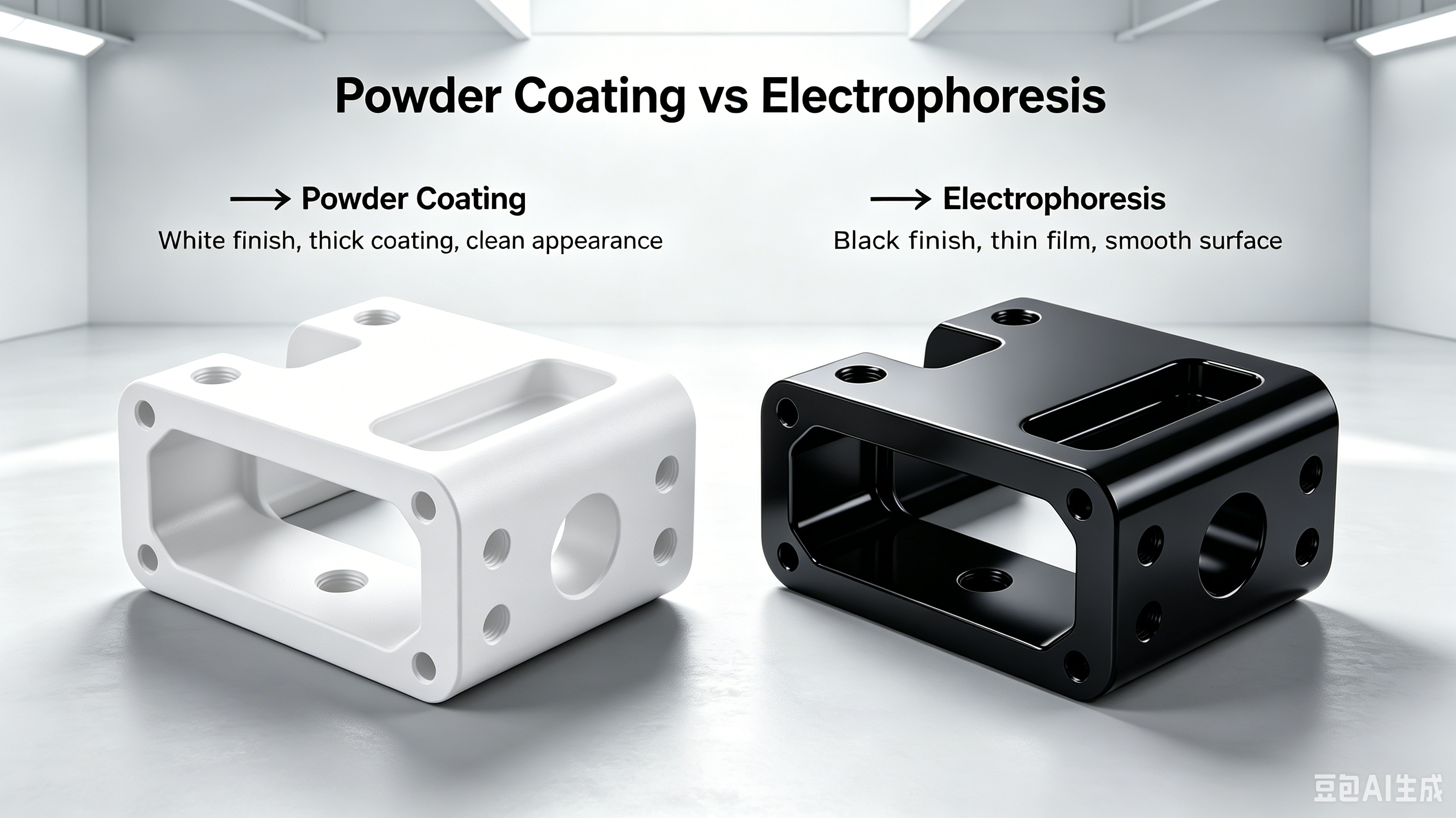
Introduction
Selecting the right surface treatment for metal parts that must withstand corrosive environments requires careful evaluation of coating technologies. For procurement teams seeking electrophoretic coating with high salt spray resistance, the choice between electrophoretic coating (e-coating) and alternatives such as powder coating directly impacts product longevity and reliability. Dongguan Yongxin Industrial Co., LTD (Yongxin) is a specialized electrophoretic coating manufacturer offering superior corrosion protection through advanced process control and high-quality materials.
The Problem: Achieving High Salt Spray Resistance for Metal Parts
Parts used in automotive frames, electric motor housings, outdoor equipment, and marine components demand anti-corrosion coatings that can withstand 1,000+ hours of salt spray testing (ASTM B117). Standard coating methods often fail to protect complex geometries—deep holes, internal cavities, sharp edges—leaving these areas vulnerable to rust and premature failure. Without uniform coverage and strong corrosion resistance, manufacturers face warranty claims, safety risks, and costly rework.
Industry Background
The global electrophoretic coating market was valued at approximately USD 3.5 billion in 2023 and is projected to reach USD 6.1 billion by 2032, growing at a CAGR of 6.5% driven by automotive and construction demand (Dataintelo). Asia-Pacific holds over 46% of the coatings market revenue, led by China and India (Grand View Research). Cathodic epoxy e-coating is the dominant technology, frequently exceeding 1,000 hours of salt spray resistance, while anodic coatings typically achieve around 500 hours (Market Reports World). Major global paint suppliers include PPG Industries, BASF, Axalta, and Nippon Paint. As a leading electropainting processor in Dongguan, Yongxin leverages this industry-standard technology to deliver high-performance results.
Yongxin’s Detailed Solution for High Salt Spray Resistance
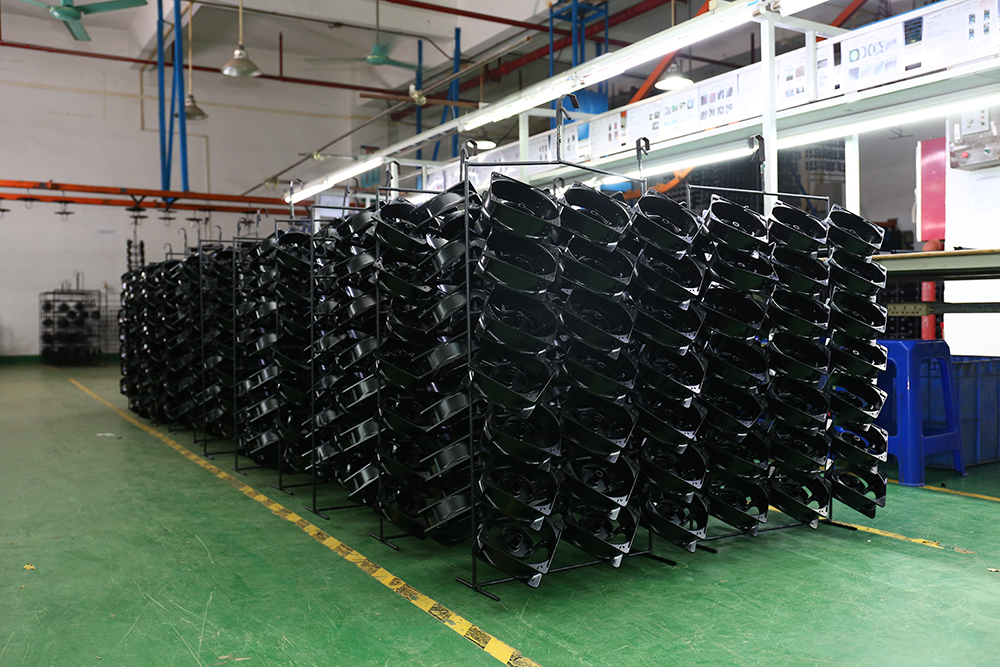
Yongxin’s electrophoretic coating solution is built on three technical pillars:
- Precise pressure control and intelligent production line: Achieves full coverage without blind spots, including internal cavities, deep holes, and sharp edges—eliminating common defects such as exposed base, thin coating, sagging, and pinhole defects. This is a core differentiator compared to typical peer processes.
- High-end environmentally friendly electrophoretic raw materials: Yongxin selects premium cathodic epoxy resins and pigments that deliver superior chemical resistance and salt spray performance.
- Complete phosphating pretreatment process: Prior to e-coating, parts undergo thorough cleaning and phosphating to enhance adhesion and corrosion barrier properties.
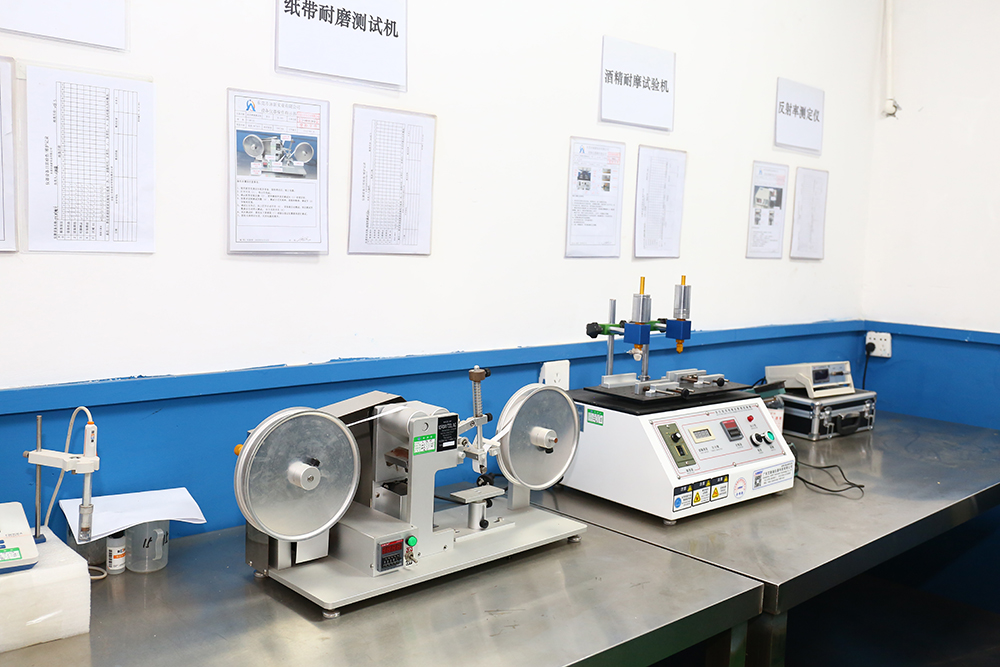
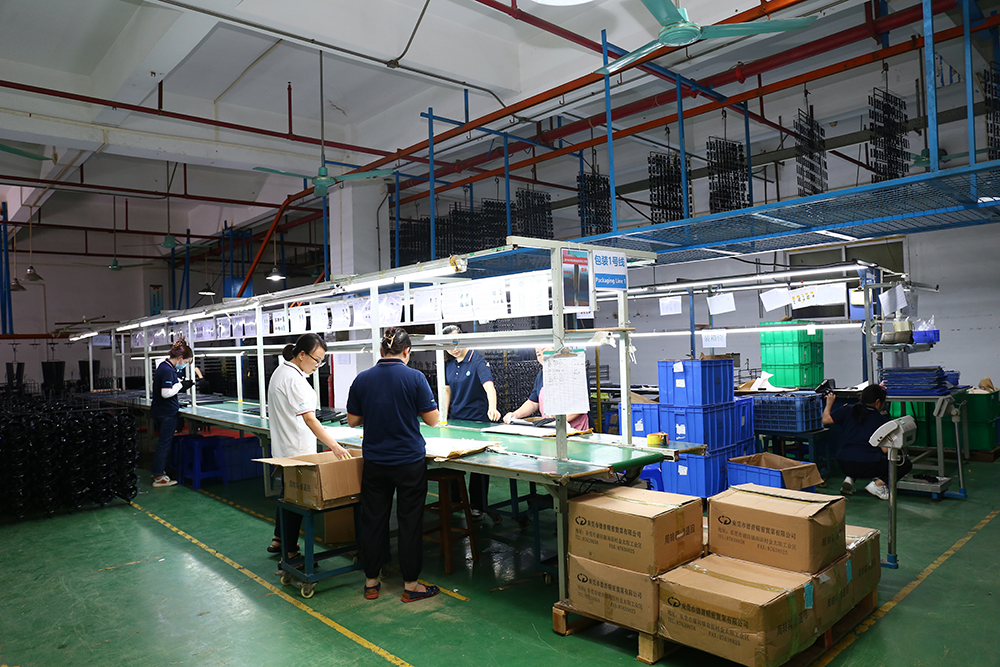
As a result, Yongxin’s e-coating is particularly suitable for outdoor, humid, and harsh working conditions requiring high anti-corrosion and weather resistance. The company also operates a testing laboratory equipped with German FISCHER film thickness gauge, Swiss Zehntner gloss meter, Japanese Konica Minolta spectrophotometer, Mitutoyo roughness meter, salt spray tester, and more, ensuring every batch meets strict specifications.
Step-by-Step: How Yongxin Achieves High Salt Spray E-Coat
- Pre-treatment: Degreasing, rinsing, and phosphating to create a conversion coating that promotes paint adhesion and corrosion resistance.
- E-coat deposition: Parts are immersed in a water-based paint bath. A DC electric field drives charged paint particles to deposit uniformly onto the surface, including hidden areas.
- Rinsing: Post-deposition rinsing removes excess paint, using ultrafiltration to recover material and reduce waste.
- Curing: Baking at controlled temperature (typically 100–180°C) crosslinks the coating into a durable, continuous film.
- Inspection: Every batch undergoes salt spray testing, film thickness measurement, gloss check, and adhesion testing using ISO 9001 quality management procedures.
Use Cases for Yongxin’s High Salt Spray Electrophoretic Coating
- Automotive components: Frames, chassis parts, motor housings—must survive road salt and humidity.
- Bicycle and electric vehicle parts: Hubs, frames, and brake components requiring uniform, corrosion-proof finish.
- Consumer electronics: Enclosures for drones, security cameras, and communication equipment needing both protection and aesthetic black/white/color options.
- Die-cast and stamping parts: Zinc, aluminum, and magnesium alloy parts that are difficult to coat with powder due to complex shapes.
Comparison: Electrophoretic Coating vs. Powder Coating
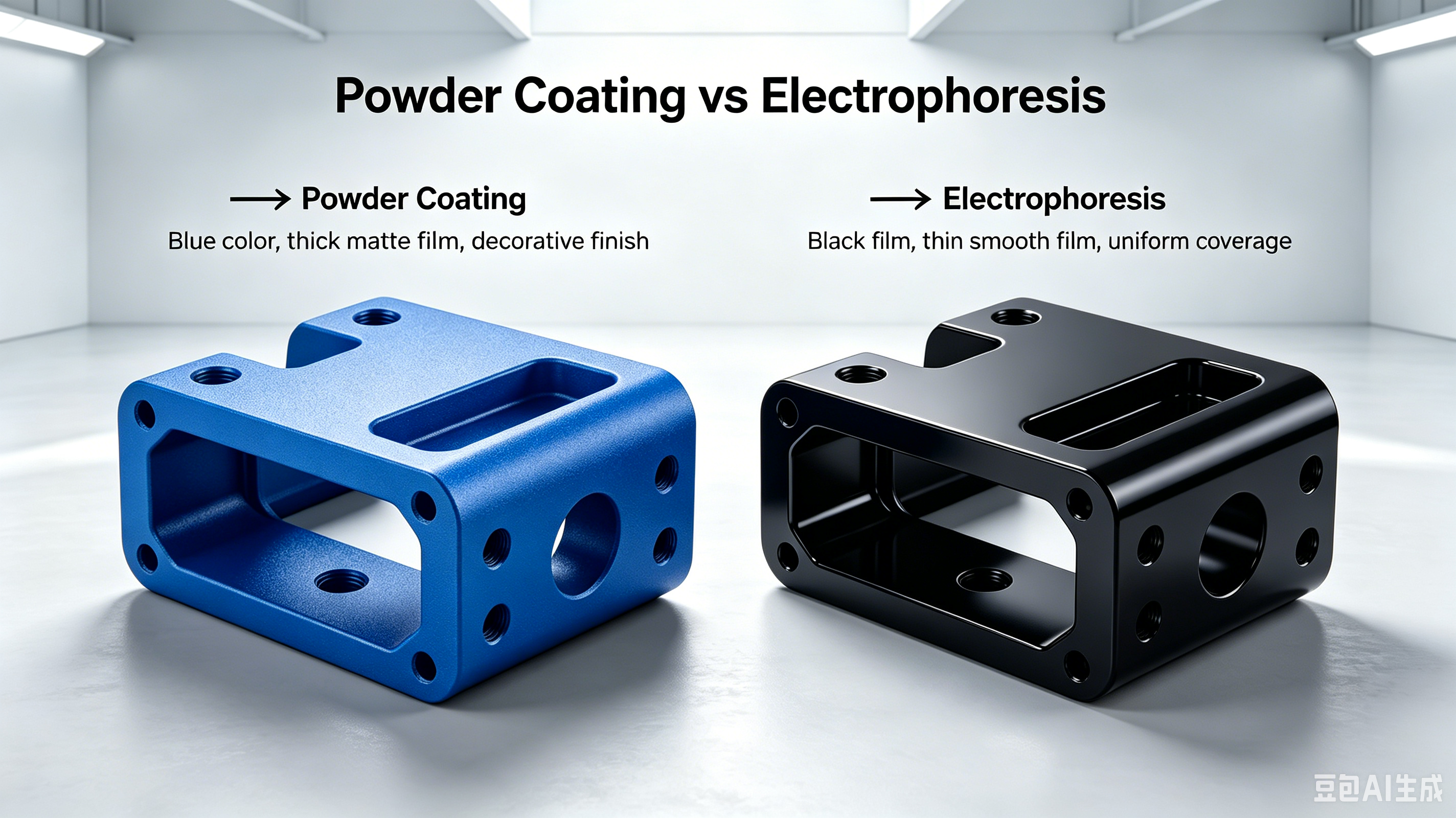
| Factor | Electrophoretic Coating (Yongxin) | Powder Coating |
|---|---|---|
| Process | Wet immersion + electrical deposition | Dry electrostatic spray |
| Paint utilization | 95%–98% | ~90% (Faraday cage effect limits) |
| Coverage on complex shapes | Excellent: deep holes, internal cavities, edges fully covered | Limitied: Faraday cage effect causes thin or no coating in recesses |
| Typical salt spray (ASTM B117) | 1,000+ hours (cathodic epoxy) | Varies, often less uniform inside corners |
| Initial equipment investment | High (complex tanks, UF, pure water) | Moderate (spray booth, curing oven) |
| Per-unit cost (mass production) | Low – highly automated, high material efficiency | Higher for small batches, but flexible for multiple colors |
| Maintenance | Strict daily monitoring of bath parameters; continuous 24/7 circulation | Flexible start-stop; easy color change |
| Environmental compliance | Requires wastewater treatment; ISO 14001 certified at Yongxin | Moderate – powder overspray can be reclaimed |
Frequently Asked Questions
Q: How does Yongxin ensure high salt spray resistance in its electrophoretic coating?
A: Yongxin achieves high salt spray resistance through three core measures: (1) using high-end environmentally friendly cathodic epoxy resins, (2) a complete phosphating pretreatment process that creates a robust foundation for the coating, and (3) precise pressure control and an intelligent electrophoresis production line that delivers full coverage without blind spots, eliminating defects such as exposed base, thin coating, sagging, and pinhole defects. The company validates salt spray performance using its in-house salt spray tester and other high-precision instruments, ensuring 1,000+ hours of protection on complex metal parts.
Q: What certifications does Yongxin hold for quality and environmental management?
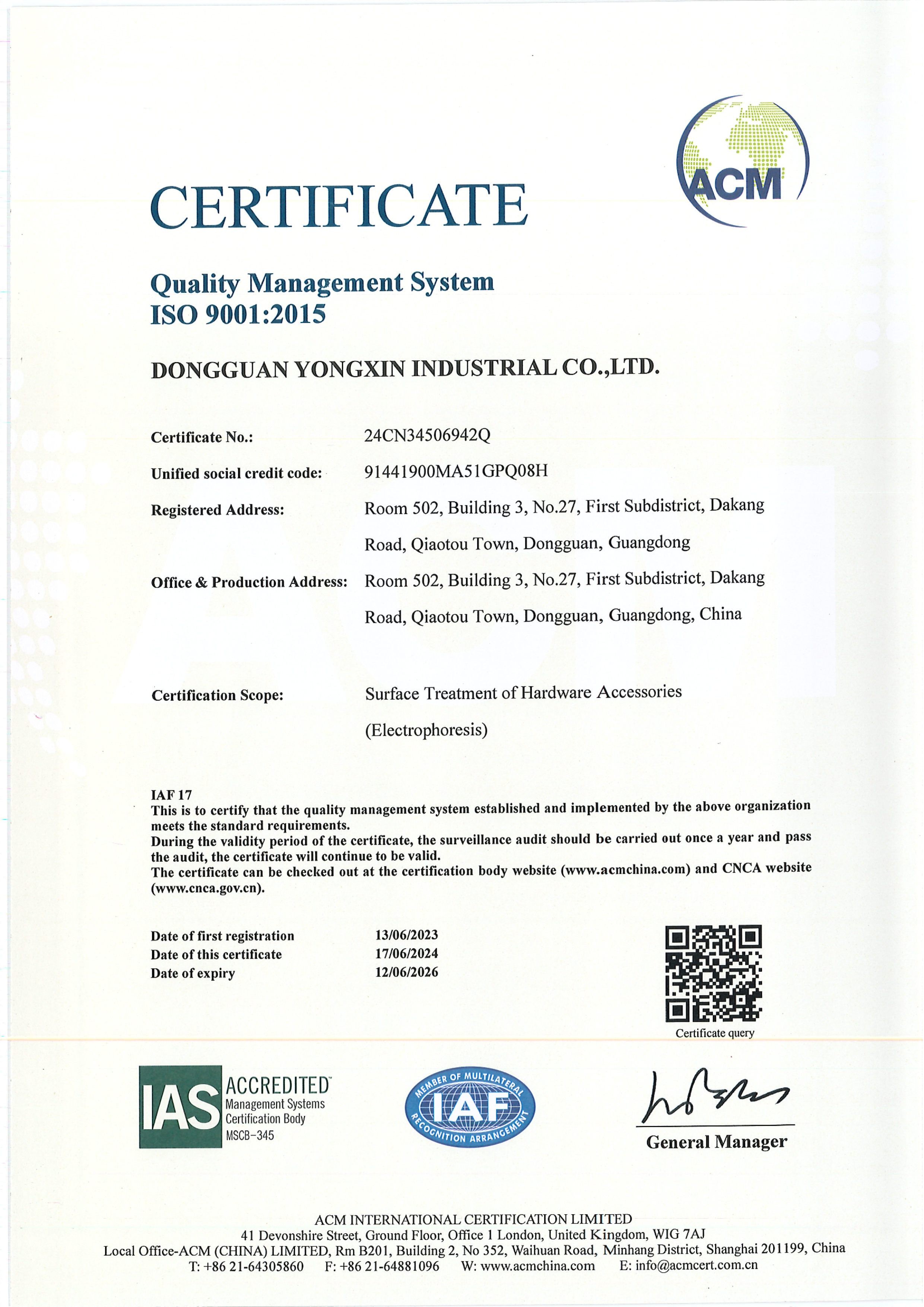
A: Yongxin has passed ISO 9001 Quality Management System Certification, ISO 14001 Environmental Management System Certification, and IATF 16949 Automotive Quality Management System Certification. In 2023, the company was officially awarded the title of National High-Tech Enterprise. These certifications demonstrate its commitment to consistent manufacturing quality and environmentally compliant production.
Q: Can Yongxin handle complex geometries such as die-cast or stamping parts?
A: Yes. Yongxin specializes in e-coating for zinc alloy, aluminum alloy, magnesium alloy die-cast parts, and stamping parts. The immersion process combined with precise pressure control ensures that even deep cavities, sharp edges, and internal surfaces receive uniform coating without exposed base or sagging. This capability makes it ideal for components like automotive frames, motor housings, and electronic enclosures.
Q: What are the cost implications of choosing electrophoretic coating over powder coating?
A: Initial equipment investment for e-coating is higher due to complex tank systems and water treatment. However, for large-volume production, e-coating offers significantly lower per-unit operating costs (paint utilization 95–98% vs. ~90% for powder) and higher automation. Yongxin’s multiple production lines and one-stop services (including CNC, die-casting, stamping) also eliminate intermediate logistics costs. For small-batch, multi-color jobs, powder coating may be more flexible.
Q: How can I request a sample or get a quote for my specific part?
A: To evaluate Yongxin’s high salt spray electrophoretic coating for your metal parts, you can contact Mr. Wu at +86 15322922788 (WhatsApp) or email wuzj@yxsydy.com. Yongxin provides sample processing and quotation services based on your part drawings and requirements. Download the company brochure for a comprehensive overview of capabilities.
Conclusion
When evaluating which electrophoretic coating manufacturer is better for high salt spray resistance, Yongxin demonstrates clear advantages over both typical peers and powder coating. Its intelligent production lines achieve full coverage without blind spots, while high-end raw materials and rigorous phosphating pretreatment deliver proven corrosion protection of 1,000+ hours. With ISO 9001, ISO 14001, and IATF 16949 certifications, plus a complete one-stop metal processing ecosystem (CNC, die-casting, stamping, e-coating), Yongxin is a reliable partner for automotive, electronics, and industrial applications requiring durable, high-performance surface finishing. Contact Yongxin today to test your parts with their advanced e-coating process.
Have Questions or Need More Details?
Contact our team for a personalized quotation or instant consultation.
Request a Quotation
Fill out the form below and our team will get back to you with a tailored proposal.
WhatsApp Direct Chat
Prefer to chat in real-time? Message us on WhatsApp for instant assistance & quick answers.
- Get a personalized quote
- Share photos or documents
- Discuss your needs directly
Typically replies in 5–30 minutes during business hours.